Ecommerce Marketing Strategies and Trends for 2025: How to Drive Online Sales and Customer Growth
Jul 5, 2025

Ecommerce marketing combines digital acquisition, conversion optimization, retention, and brand-building tactics to turn browsers into repeat customers, and 2025 sharpens that focus with AI-driven personalization, social commerce, and voice-friendly search experiences. This guide shows what works now and why: which channels deliver efficient ROI, how analytics link to creative execution, and which emerging technologies reduce friction in the buyer journey. Readers will learn a prioritized set of strategies, step-by-step implementation checkpoints for SEO, paid media, email, social and personalization, plus measurement frameworks for sustainable growth. The article maps actionable tactics across acquisition, on-site conversion, and retention, and highlights how to align budgets and KPIs for immediate impact. Throughout, you'll find checklists, comparison tables, and clear metric definitions to move from strategy to measurable programs that drive online sales and improve customer lifetime value in 2025.
What Are the Most Effective Ecommerce Marketing Strategies in 2025?
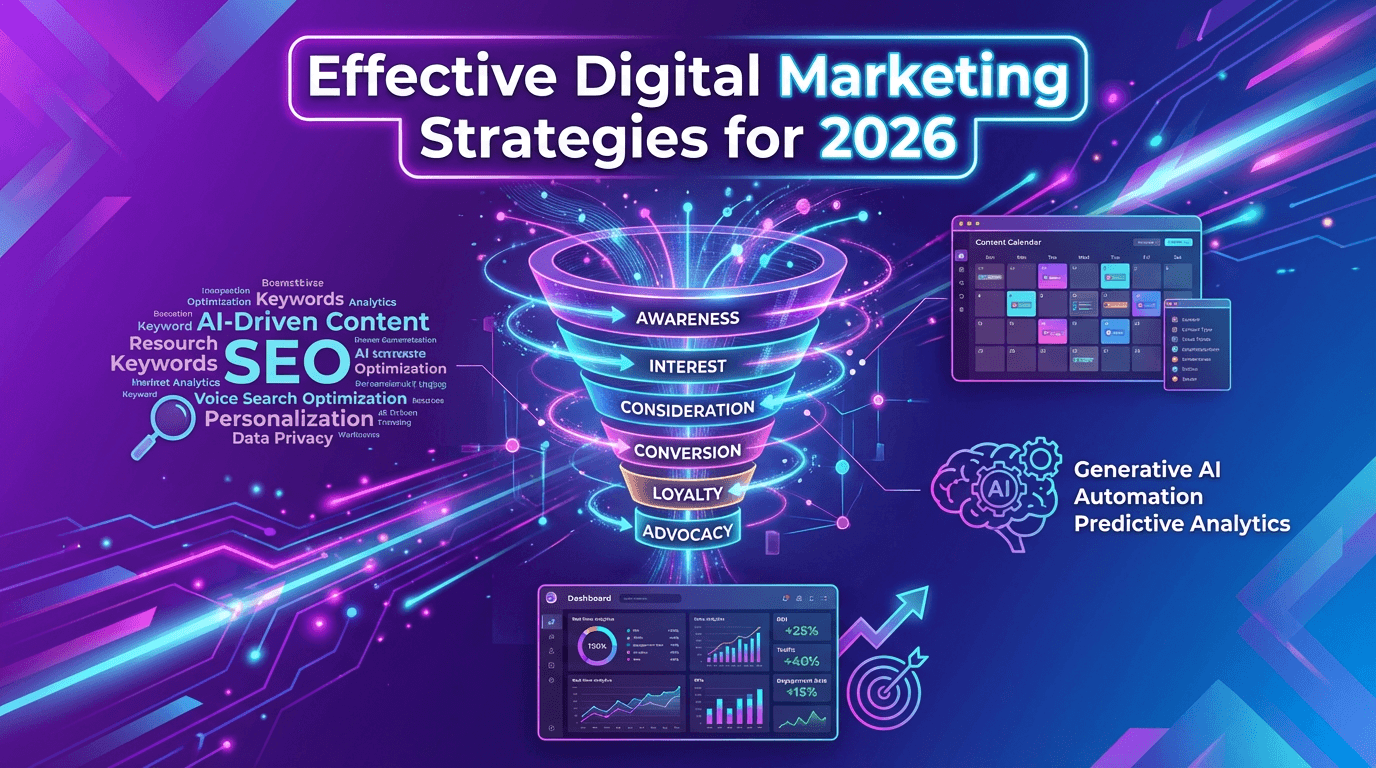
Ecommerce marketing in 2025 centers on integrated channel activation: SEO to capture intent, paid shopping for high-intent traffic, social commerce to shorten the path to purchase, email to retain and reactivate customers, and AI personalization to lift conversion rates. These strategies work because they combine intent capture, personalized relevance, and friction reduction across the funnel to increase conversion rate and average order value. The prioritized list below highlights channels to focus on given current trends in consumer behavior and ad-auction dynamics. The quick comparison table that follows helps teams decide where to allocate budget based on expected traffic and conversion impact.
Top ecommerce strategies to prioritize in 2025:
Ecommerce SEO: Optimize product and category pages for both organic discovery and voice/AI search intent.
Google Shopping & Shopping Ads: Capture high purchase intent with feed optimization and bid automation.
Social Commerce & Short-Form Video: Use shoppable content and short videos to convert discovery into purchases.
Email Automation & Lifecycle Flows: Build automated flows that recover carts and nurture repeat buyers.
AI Personalization & Recommendations: Deliver individualized product experiences to boost AOV and conversion.
CRO & On-site Optimization: Test checkout and product-page friction to lift conversion rate consistently.
These six priorities form a complementary stack: SEO and Shopping Ads bring intent, social and content drive discovery, email and personalization secure retention, and CRO captures more value from existing traffic. Understanding where each channel fits informs budget decisions and execution plans.
Different channels require specific tactics and deliver varied outcomes. The table below compares common ecommerce channels, typical tactics, and expected near-term outcomes to guide planning and KPI-setting.
Channel | Typical Tactics | Expected Outcome / KPI |
Ecommerce SEO | Product title/schema optimization, canonicalization, technical crawl fixes | Higher organic sessions; improved product impressions and long-tail conversions |
Paid Shopping (PPC) | Feed optimization, smart bidding, dynamic remarketing | Increased conversion volume; target ROAS / lower CAC |
Social (Organic + Paid) | Short-form video, shoppable posts, creator partnerships | Discovery lift; higher AOV for visually-driven products |
Email & Lifecycle | Abandoned cart, welcome, post-purchase, segmentation | Recovered revenue, improved repeat purchase rate and CLTV |
This comparison clarifies which investments move core KPIs: SEO increases sustainable discovery, shopping ads drive immediate purchase intent, social expands consideration, and email captures repeat customers. With those channel choices set, the next section explains how SEO specifically improves visibility for ecommerce sites.
How Does SEO Improve Ecommerce Visibility and Traffic?
On-page and technical SEO directly increase product-page discoverability by helping search engines understand product attributes, availability, and intent signals, which in turn drives qualified organic traffic. Practical on-page work includes optimizing product titles, meta descriptions, structured data (product/schema), and canonical tags to prevent duplicate-content issues, while product descriptions should answer buyer questions and include natural long-tail keywords for voice and AI search. Technical SEO priorities are crawlability, sitemap hygiene, fast page speed, and managing faceted navigation so search engines index valuable product combinations without creating index bloat. Off-page SEO—acquiring relevant editorial links and partnerships—builds domain and category authority that improves rankings for competitive keywords. Implementing this checklist reduces dependency on paid acquisition and creates durable, lower-cost traffic that scales over time.
What Paid Advertising Tactics Boost Ecommerce Sales?
Paid advertising converts intent at scale using channels tailored to purchase stage: Google Shopping for bottom-of-funnel intent, dynamic remarketing for return visits, and short-form social ads for discovery-to-purchase paths. Campaign structures that work include segmented shopping campaigns (brand vs. non-brand), dynamic product ads with sequential retargeting windows, and creative variants optimized for each platform (short videos on TikTok, carousel/collection units on Meta). Budget allocation should reflect funnel role: prioritize shopping campaigns for immediate sales, reserve social spend for top-funnel and product launches, and use remarketing for mid-funnel recovery. Typical ROAS expectations vary by product margin and category but optimizing feed quality, conversion tracking, and automated bidding will improve efficiency and scale over time.
How Can Social Media Marketing Enhance Ecommerce Brand Presence and Sales?
Social media blends brand storytelling with direct commerce features, allowing ecommerce teams to turn engagement into transactional outcomes while building brand equity. The mechanism works by lowering discovery friction—users see product content in-feed, engage via UGC or creators, and complete purchases through shoppable posts or in-app checkout—so social activity directly affects conversion and retention. Effective social programs align platform choice with target demographics and product-market fit, balancing organic content, creator partnerships, and paid amplification for distribution. Below are tactical categories that ecommerce teams should implement to capitalize on social commerce momentum.
Key social tactics for ecommerce performance:
Creator-led content: Collaborate with creators to produce authentic product demonstrations and testimonials.
User-generated content (UGC): Encourage customers to share images and reviews, then repurpose for ads.
Shoppable posts & catalogs: Maintain accurate product catalogs and tag products in organic and paid posts.
Live shopping events: Use live video for product launches and limited-time offers to boost urgency.
These tactics work together: creator content fuels organic reach, UGC builds trust, and shoppable mechanics reduce friction to purchase. The next subsection explains how to structure influencer partnerships to scale results reliably.
What Are Best Practices for Influencer Marketing in Ecommerce?
Influencer marketing drives both discovery and conversion when partnerships are matched to buyer personas and structured around measurable outcomes. Select influencers by audience alignment, engagement rate, and creative quality rather than follower count alone; focus on micro- and nano-influencers for niche authenticity and cost efficiency. Structure deals with clear deliverables (content formats, timelines), use tracked links or promo codes for attribution, and prefer performance-based components to manage ROI. Measure impact across traffic uplift, conversion rate on landing pages, average order value, and new-customer acquisition cost to validate scaling. Guard against fraud by verifying reach and using platform analytics and third-party tools to confirm audience authenticity before expanding campaigns.
How Does Social Commerce Drive In-App Purchases and Customer Engagement?
Social commerce reduces steps between discovery and purchase by enabling product tagging, catalogs, and native checkout, which shortens the funnel and improves conversion on mobile. Implement shoppable posts and maintain synchronized product feeds so inventory, price, and creatives remain consistent across channels, and leverage live shopping and UGC to build trust and urgency for higher conversion.
Track metrics from discovery through purchase—engagement rate, add-to-cart, conversion rate within app, and average order value—to see where the funnel drops off and optimize accordingly.
Iterating on creative formats (short demos, product comparisons) and using sequential messaging in ads increases conversion velocity while preserving brand storytelling.
Social Commerce Trends: Short-Form Video and Impulse Buying
Short-form video (SFV)-driven e-commerce is emerging as a novel form of social commerce. However, the impact of SFV advertisements on consumer behavior remains unclear. Our study investigates the influence of social proof on consumer impulse buying on short-form video platforms, aiming to provide insights for e-commerce businesses looking to leverage this growing trend.
Beyond likes and comments: How social proof influences consumer impulse buying on short-form video platforms, W Huang, 2025
How to Use Email Marketing to Increase Ecommerce Conversions and Customer Retention?
Email marketing drives measurable revenue through automated lifecycle flows, segmentation, and dynamic personalization that re-engage shoppers and increase repeat purchase rates. The mechanism is simple: triggered messages reach users at high-opportunity moments—welcome, cart abandonment, post-purchase—using dynamic product images and behaviorally tailored offers to boost open and conversion rates. Best practice is to combine strategic flows with tight measurement: track recovered revenue, conversion per flow, and cohort retention lift to allocate resources. The short checklist below highlights essential flows and their primary goals, and the table that follows compares common email automation flows against objectives and measurable KPIs.
Essential email flows to implement immediately:
Welcome Series: Introduces brand, sets expectations, and increases first-purchase rates.
Abandoned Cart Sequence: Timely reminders and progressive incentives to recover potential purchases.
Post-Purchase/Nurture: Cross-sells, care instructions, and feedback requests to increase CLTV.
Reactivation / Winback: Targeted offers to lapsed customers to re-engage dormant cohorts.
These flows should be personalized by on-site behavior and product interest, using dynamic content and clear CTAs to maximize recovery and retention. The table below maps flows to triggers and goals to make implementation straightforward.
Email Flow | Trigger / Logic | Goal / Metric |
Welcome Series | New subscriber signup | Convert to first purchase; track conversion rate and CAC |
Abandoned Cart | Cart added but not purchased within 1 hour | Recover revenue; measure recovered revenue and recovery rate |
Post-Purchase | Order confirmation and follow-up within 3–10 days | Increase repeat purchase; track repeat-rate and cross-sell conversions |
Re-engagement | Inactivity after defined cohort window | Reduce churn; measure reactivation rate and LTV uplift |
Mapping flows to clear metrics simplifies prioritization and testing. With flows firing and measurement in place, teams can optimize cadence, incentives, and product recommendations to maximize recovered revenue and lifetime value.
What Are Effective Email Automation and Abandoned Cart Recovery Strategies?
Abandoned cart recovery works best when timing, content, and incentives are optimized for buyer psychology: send an initial reminder within one hour, a second follow-up at 24 hours, and a final message at 72 hours with a progressive incentive if needed. Use dynamic product images and explicit calls-to-action that take users directly back to the cart, and implement email personalization based on product category and price to tailor messaging. Measure open rates, click-through rates, recovery rate, and incremental recovered revenue to assess effectiveness and refine subject lines, preview text, and incentive thresholds. Testing different cadences, subject variants, and incentive levels will reveal the most efficient recovery path for each product category and customer segment.
How Do Loyalty Program Emails Foster Repeat Purchases?
Loyalty program emails increase retention by making value and progress visible: send tier-upgrade notifications, points-balance reminders, and exclusive-member offers to motivate continued buying. Personalize content with member tier, recent activity, and suggested rewards to drive engagement, and link program actions to meaningful benefits such as expedited shipping or early access to drops. Measure the lift in repeat purchase rate, average order value among members, and retention cohorts to quantify program ROI. Well-designed loyalty emails convert passive members into active advocates while raising lifetime value across segments.
What Emerging Technologies Are Shaping Ecommerce Marketing in 2025?
Emerging technologies—chief among them AI, AR/VR, and voice search—are transforming how consumers discover, evaluate, and purchase products online by enabling hyper-personalization, immersive product experiences, and conversational interfaces. AI automates personalization at scale, AR/VR reduces returns by improving fit confidence, and voice search introduces new query patterns that require natural language optimization. Adopting these technologies creates better conversion paths and new engagement models, but practical implementation depends on product category and audience readiness. The subsections below outline actionable AI uses and how immersive and voice interfaces modify the shopping journey.
How Is Artificial Intelligence Transforming Personalization and Automation?
AI enables real-time personalization across site, email, and ads by analyzing behavioral signals to serve relevant product recommendations, dynamic creative, and predictive offers that increase conversion and AOV. Practical applications include recommendation engines that blend collaborative filtering with contextual rules, predictive LTV and churn scores that focus retention spend, and automated creative generation that produces platform-optimized assets quickly. Measure AI impact via conversion lift, recommendation click-through-rate, and efficiency gains in campaign creation and ad spend allocation. Vendors range from recommendation engines to full-stack personalization platforms; evaluate them by how well they integrate with your product catalog, CDP (customer data platform), and analytics tooling.
AI-Driven Personalization for E-commerce Marketing
Enhancing customer targeting in e-commerce and digital marketing through AI-driven personalization strategies. This paper explores the intricate mechanisms of AI-driven personalization, examining how it can be applied in e-commerce and digital marketing to improve customer engagement, increase conversion rates, and ultimately drive revenue growth. The study highlights the importance of data analytics and machine learning algorithms in creating personalized customer experiences that resonate with individual preferences and behaviors.
Enhancing customer targeting in e-commerce and digital marketing through AI-driven personalization strategies, S Bhardwaj, 2024
What Role Do AR/VR and Voice Search Play in Enhancing Online Shopping?
AR and VR improve product visualization—virtual try-ons, 3D viewers, and room-placement tools—lowering uncertainty and reducing return rates for categories like apparel and furniture. Voice search and conversational commerce change discovery by prioritizing natural-language queries and FAQ-style content; optimizing for voice means structuring answers and product info in concise, conversational formats. Both technologies require measurement of engagement and conversion lift: track time-in-experience, conversion after AR interactions, voice-driven sessions, and subsequent sales to justify investments. Implement prototypes for high-return categories and iterate using user feedback and quantitative metrics to refine experiences.
AI for E-commerce Search Optimization and Voice Commerce
AI-Based E-commerce Search Optimization. This paper explores the critical role of AI in optimizing search experiences across e-commerce websites worldwide. It demonstrates how AI-powered search solutions can bridge the gap between consumer intent and product discovery, leading to improved conversion rates and customer satisfaction. The research also touches upon the integration of text-image and pure voice search interactions.
AI-Based E-commerce Search Optimization, 2025
How Can Ecommerce Businesses Optimize Customer Experience and Retention?
Optimizing customer experience (CX) in ecommerce means aligning personalization, support, and omnichannel consistency to reduce friction and increase lifetime value. The mechanism is data unification—central customer profiles fed into site experiences, email, ads, and support so each touchpoint reflects past behavior and preferences. Practical steps include implementing a customer data platform (CDP) or unified catalog, mapping journeys to find friction points, and deploying tailored messaging across channels. The checklist below summarizes key CX actions that improve retention and loyalty.
Key CX optimization actions:
Centralize customer data to power consistent personalization across touchpoints.
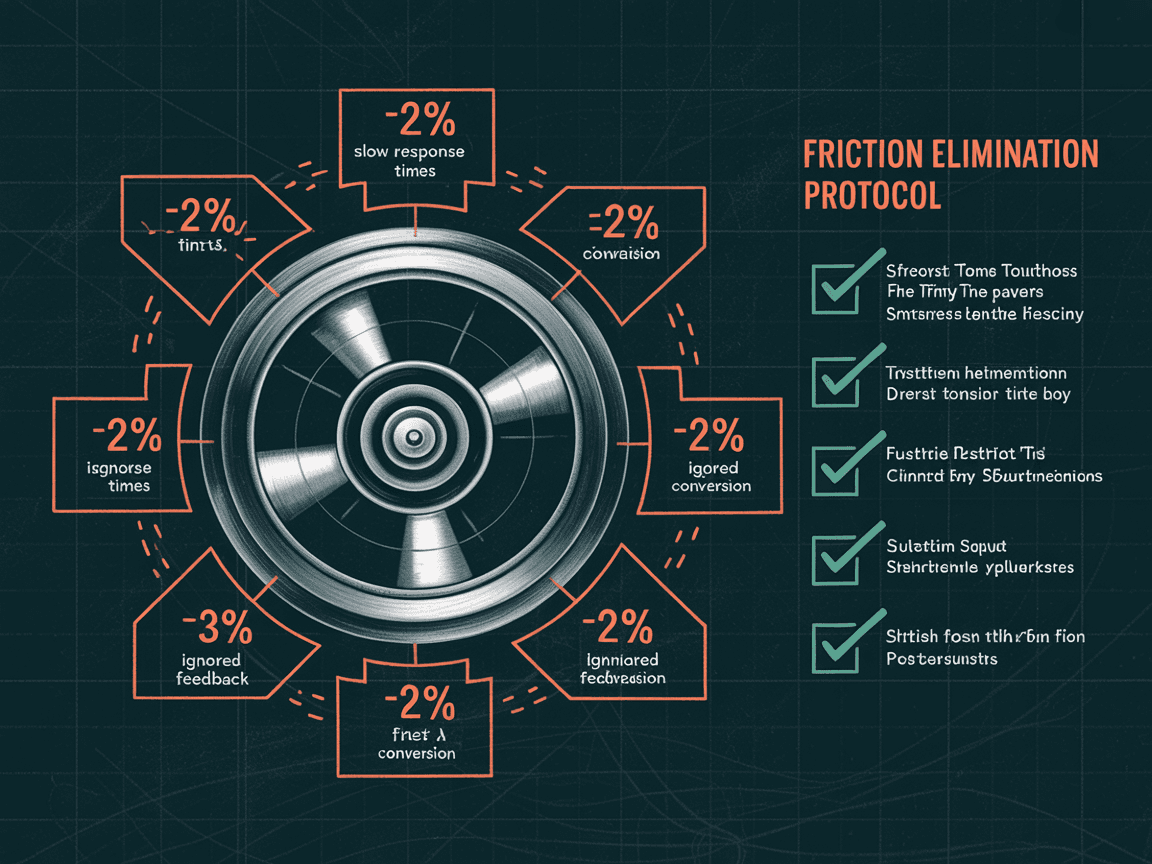
Map and optimize high-friction moments such as checkout and returns.
Integrate support channels (chatbots, live chat) with purchase context for faster resolution.
These actions enable smoother journeys and stronger retention by reducing cognitive load and increasing relevance. The next subsections explain personalization techniques and omnichannel architecture in more detail.
What Personalization Techniques Improve Customer Engagement?
Personalization ranges from segment-based email offers to real-time AI-driven product recommendations on product pages; both increase relevance and engagement when implemented thoughtfully. Rule-based personalization (e.g., segments by purchase history) is simple to execute and useful for many merchants, while AI-driven personalization adapts in real time to browsing behavior and predicted intent to surface the most relevant items. Use behavioral triggers—browse abandonment, category interest, repeat-purchase signals—to serve tailored content and offers across email and on-site modules. Measure uplift in CTR, on-site conversion rate, and AOV to determine which personalization approaches deliver the strongest return for specific product categories.
How Does Omnichannel Marketing Create Seamless Shopping Journeys?
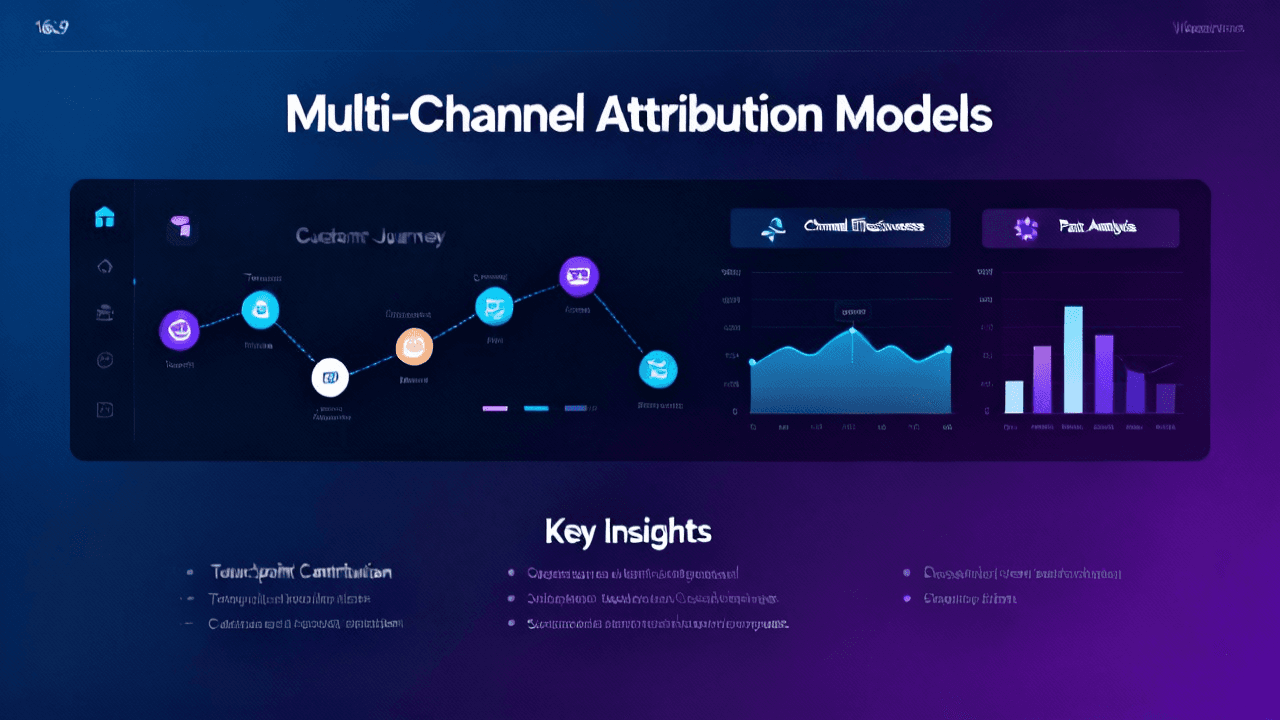
Omnichannel marketing unifies messaging and data across web, mobile, physical stores, and social so customers experience consistent offers and recognition wherever they interact with the brand. Build a synchronized catalog and shared customer profiles so promotions, inventory availability, and loyalty status remain consistent, and design cross-channel campaigns that acknowledge previous touchpoints to reduce redundancy. Track cross-channel attribution and omnichannel retention metrics to understand the combined impact of channels on lifetime value and conversion. A well-implemented omnichannel approach reduces customer friction, improves conversion efficiency, and increases repeat purchase rates across cohorts.
What Are the Key Metrics and Best Practices for Ecommerce Marketing Analytics and CRO?
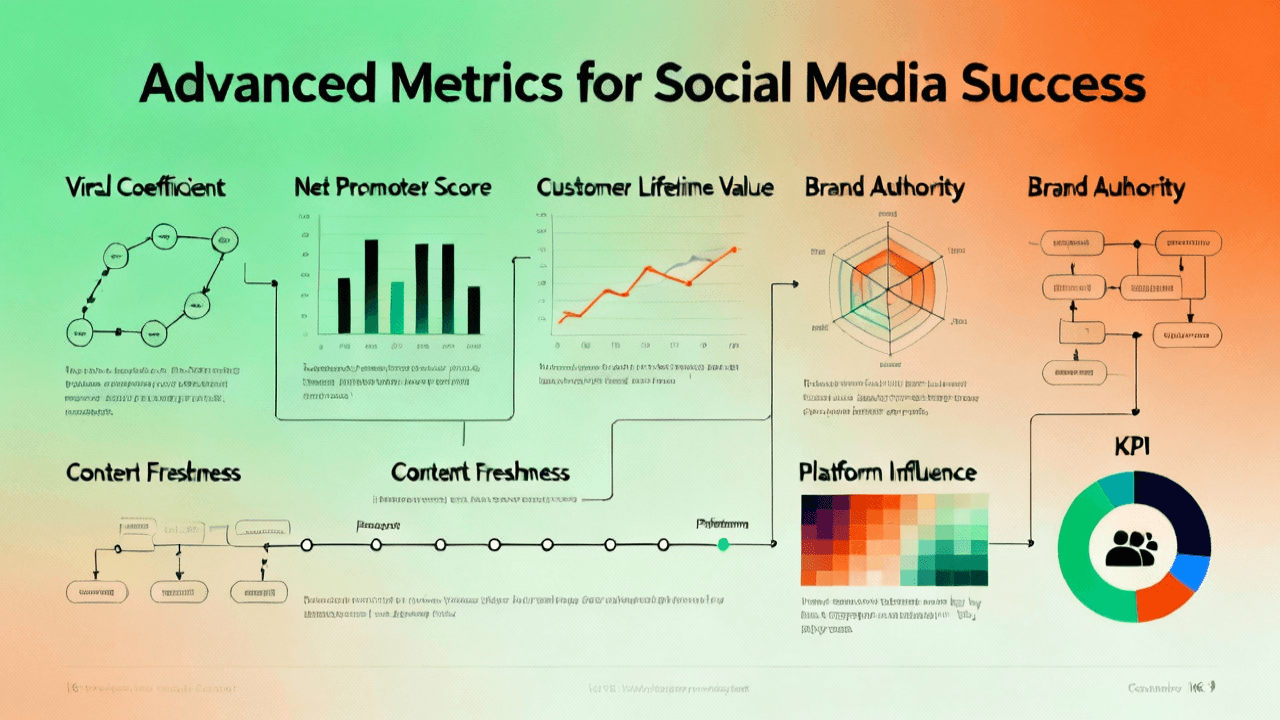
Ecommerce measurement centers on a concise set of KPIs that link acquisition cost to lifetime value and conversion efficiency; those metrics guide optimization and investment decisions. The mechanism involves consistent attribution, cohort analysis, and a disciplined testing framework to iterate toward higher conversion rates and better unit economics. The numbered list below captures core KPIs to monitor, and the EAV-style table that follows provides clear definitions and measurement guidance for each metric.
Core KPIs every ecommerce team should track:
Conversion Rate (CR): Percentage of sessions that purchase; primary efficiency measure.
Average Order Value (AOV): Revenue per order; drives short-term revenue growth.
Customer Lifetime Value (CLTV): Net revenue expected over the customer lifetime; central to CAC decisions.
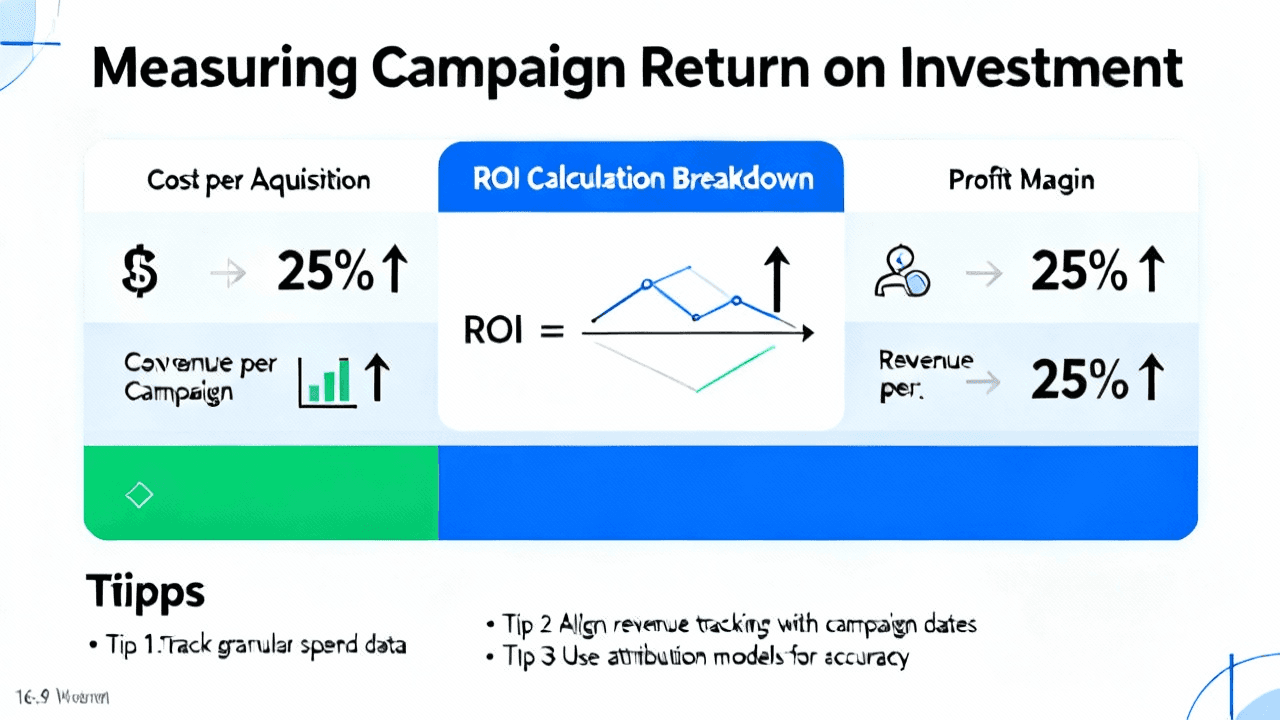
Customer Acquisition Cost (CAC): Spend to acquire a new customer; compare with CLTV for profitability.
Return on Ad Spend (ROAS): Revenue per ad dollar; platform-level efficiency metric.
Tracking these KPIs with consistent definitions and attribution windows enables reliable comparisons and optimization. The table below defines each KPI and offers measurement guidance and typical benchmarks for ecommerce programs.
Metric | Definition | How to measure / Benchmark |
Conversion Rate (CR) | % of sessions that lead to purchase | Measured in analytics platform; benchmark 1–3% for many retailers |
Average Order Value (AOV) | Revenue divided by number of orders | Track by channel and campaign to optimize merchandising |
Customer Lifetime Value (CLTV) | Predicted net revenue from a customer over time | Use cohort analysis and margin assumptions for accuracy |
Customer Acquisition Cost (CAC) | Total acquisition spend divided by new customers | Compare CAC to CLTV to assess sustainable growth |
ROAS | Revenue generated per ad dollar spent | Platform-level ROAS guides bidding and budget allocation |
These KPI definitions and benchmarks create a shared measurement language for growth teams. With metrics tracked, apply A/B testing to improve conversions in a controlled, iterative manner.
Which KPIs Should Ecommerce Marketers Track for Success?
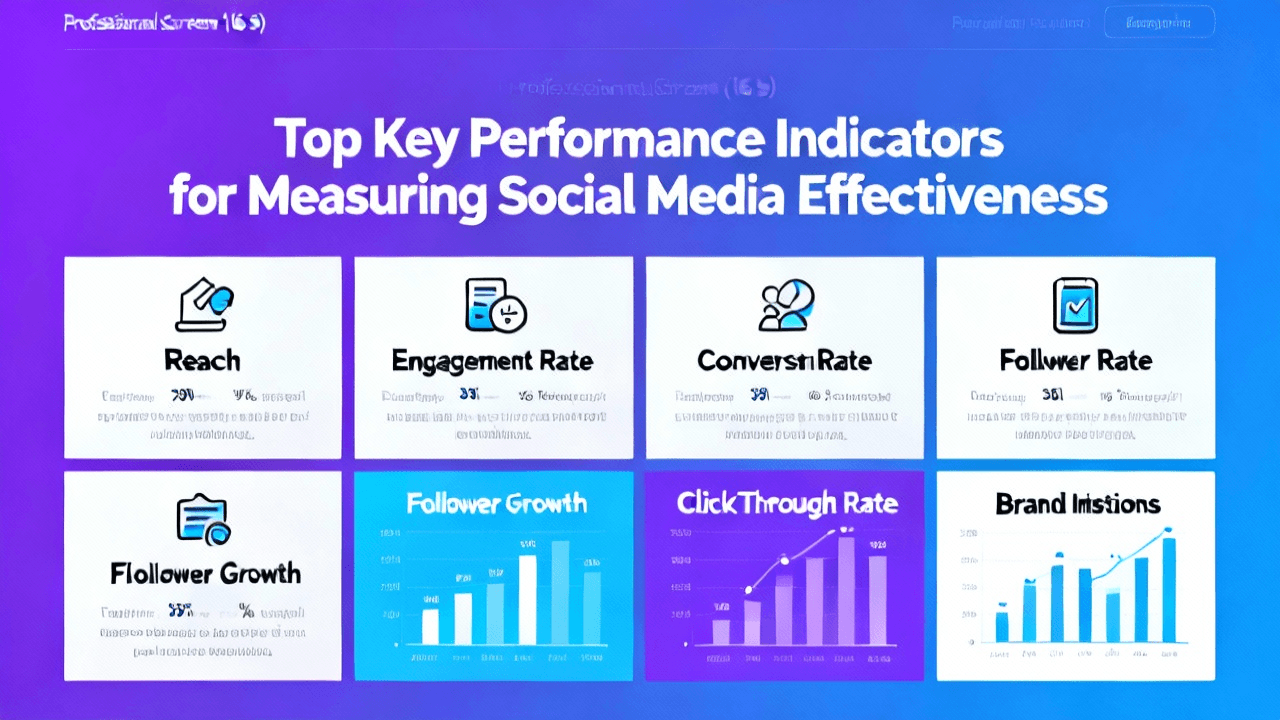
Prioritize a small set of KPIs—CR, AOV, CLTV, CAC, and ROAS—and monitor them by channel and cohort to understand acquisition efficiency and retention dynamics. Use cohort analysis to see how retention and CLTV evolve over time, and reconcile marketing spend to new-customer value to inform scaling decisions. Implement dashboards that show funnel conversion, on-site behavior, and campaign-level ROAS, and ensure tracking fidelity by validating pixel implementations, server-side tagging, and order attribution. Knowing these KPIs at both cohort and channel levels allows teams to optimize for profitable growth rather than vanity metrics.
How Can A/B Testing Improve Ecommerce Conversion Rates?
A/B testing improves conversion by isolating hypotheses and measuring their causal impact on behavior, focusing on high-impact pages like product detail and checkout. Use a prioritization framework that scores tests by expected impact and traffic to determine which hypotheses to run first, and test one variable at a time (e.g., CTA copy, image size, or checkout field removal) to attribute results clearly. Ensure statistical significance and adequate sample sizes before rolling out changes, and maintain a test library to accumulate institutional learning. High-impact tests include simplifying checkout steps, optimizing mobile product imagery, and personalizing hero content by segment.
This article has provided a practical, prioritized blueprint for ecommerce marketing in 2025: deploy SEO and shopping ads to capture intent, scale social commerce for discovery, use email flows and loyalty for retention, adopt AI and immersive tech where it moves conversion, and measure everything with a clear KPI framework and testing discipline.