Paid Media vs. Organic Marketing: Key Differences
Nov 26, 2025
In the world of marketing, understanding the differences between paid media and organic marketing is crucial. Both strategies play vital roles in reaching and engaging audiences.
Paid media involves spending money to promote content through digital ads, paid search, and more. It offers immediate results and precise targeting.
Organic marketing, on the other hand, focuses on attracting customers naturally through content and engagement. It builds trust and credibility over time.
Earned media, a third component, is the publicity gained through non-paid efforts like social media shares and word-of-mouth.
Each of these strategies has unique benefits and challenges. Combining them can maximize marketing effectiveness.
This guide will explore the key differences between these approaches. We'll also discuss how to integrate them for a balanced marketing strategy.
Whether you're a marketing professional or a business owner, understanding these concepts is essential. Let's dive into the world of paid, owned, and earned media.
Understanding Paid, Owned, and Earned Media: Definitions and Framework
Paid, owned, and earned media are the three pillars of a comprehensive marketing strategy. Each plays a distinct yet complementary role in reaching customers and building brand awareness.
Paid media involves spending on advertising to push content to a targeted audience. It includes channels like digital ads, paid search, and paid social media. The main advantage is quick visibility and measurable ROI.
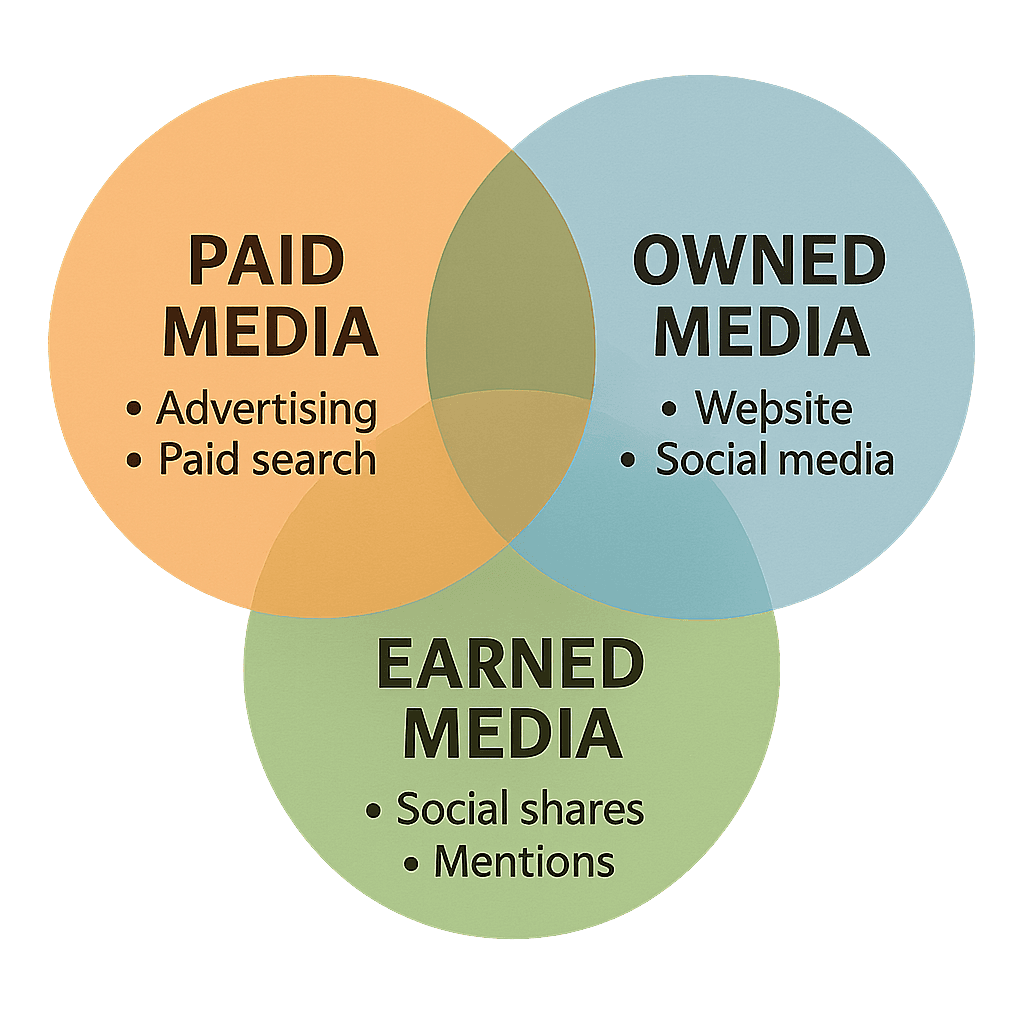
Owned media consists of channels that a brand has full control over. This includes company websites, blogs, and email newsletters. Owned media provides a platform to craft and share consistent brand messages.
Earned media refers to exposure gained through word-of-mouth or voluntary sharing by others. It can come from social media, customer reviews, or press mentions. This type of media is highly credible, as it is often seen as an endorsement.
The Framework:
Paid Media: Immediate, target-focused, measurable.
Owned Media: Controlled, consistent, cost-effective.
Earned Media: Credible, influential, trust-building.
Understanding how these media work together is crucial for effective marketing. Paid media can drive traffic to owned channels. Success in owned channels can lead to earned media opportunities.
A well-balanced mix of these media can amplify your marketing efforts. It ensures that your message reaches the right audience at the right time. Integrating these approaches requires a strategic plan tailored to your business goals.
What Is Paid Media? Channels, Tactics, and Benefits
Paid media refers to the marketing tactics that involve paying for placement. This includes buying space on different advertising platforms. The goal is to promote content to a wider audience effectively.
Popular channels for paid media are digital ads, paid search, and paid social. These platforms offer various methods to engage potential customers.
Paid media uses well-defined targeting. This allows brands to reach specific demographics or interests. Such precision enhances the chances of campaign success.
Two key tactics stand out in paid media:
Retargeting: This involves showing ads to users who have interacted with your brand before. It reinforces engagement and improves conversion rates.
Programmatic advertising: This uses automated systems to buy ad space. It optimizes ad placement by using data-driven insights.
Paid media provides several advantages. It offers immediacy, allowing brands to see quick results. This is crucial when launching new products or promotions.
It also grants measurable outcomes. Brands can analyze performance through precise metrics. This insight helps refine future campaigns.
Paid media complements organic strategies. While organic builds long-term trust, paid captures immediate attention. This balance maximizes overall marketing efforts.

by Brett Jordan (https://unsplash.com/@brett_jordan)
Relying on paid media alone isn't always optimal. However, integrating it can significantly boost reach and visibility. By strategically investing in paid channels, businesses stand to gain substantial returns.
Types of Paid Media: Digital Ads, Paid Search, Paid Social, and More
Paid media encompasses various types, each with unique benefits. Understanding these types helps in choosing the right one for your brand.
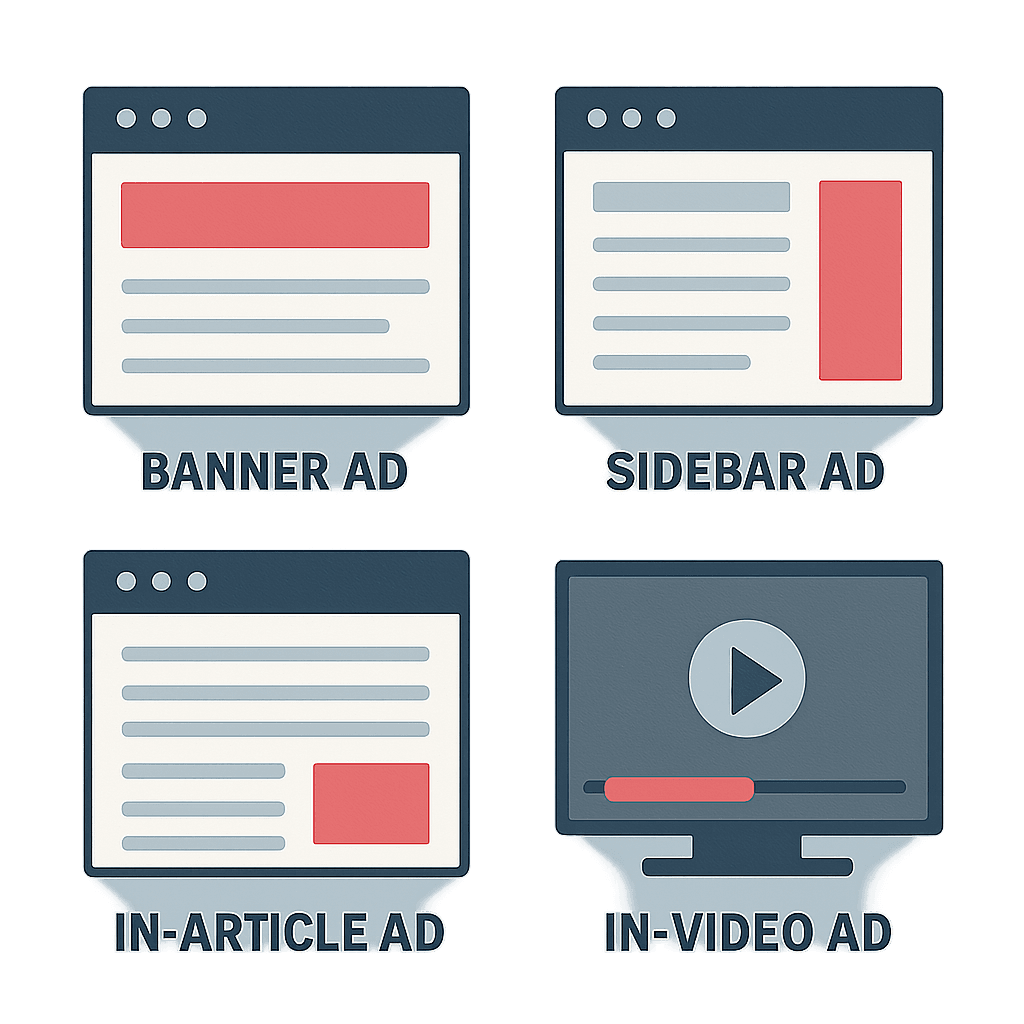
Digital ads are versatile and appear in multiple formats. They can include banners, video ads, or pop-ups on websites. They are visually engaging and draw immediate attention.

by Jon Tyson (https://unsplash.com/@jontyson)
Paid search involves bidding for ad space in search engine results. This makes your brand visible when users search for related terms. It's effective for capturing intent-driven traffic.
Paid social involves placing ads on platforms like Facebook or Instagram. This leverages the vast user base of these networks. Brands can target ads based on user interests and behaviors.
Other types include:
Display ads: These are primarily visual and focus on brand recall.
Affiliate marketing: Brands pay affiliates for generating traffic or sales through their referrals.
Each type serves different marketing objectives. Choosing the right mix can enhance engagement and conversion rates. Experimenting with different formats helps find what resonates best with your audience.

by F g (https://unsplash.com/@kekkodeca)
Incorporating these types requires constant analysis and adjustment. Understanding what works ensures the best use of marketing dollars.
Paid Advertising Benefits and Insights
Paid advertising offers distinct benefits that make it an indispensable part of marketing strategies. It ensures swift brand visibility and engagement.
Targeted Reach: Paid media allows precise targeting. Brands can reach the right audience based on geography, interests, or demographics. This increases the effectiveness of the campaigns.
Scalability: Campaigns can be easily scaled up or down. This flexibility helps brands adapt to changing market dynamics or budget constraints.
Immediate Results: Quick setup and execution translate to rapid feedback. Immediate insights allow for agile campaign adjustments.
Audience Insights: Paid media platforms offer analytics. These insights help brands understand what resonates with their audience.
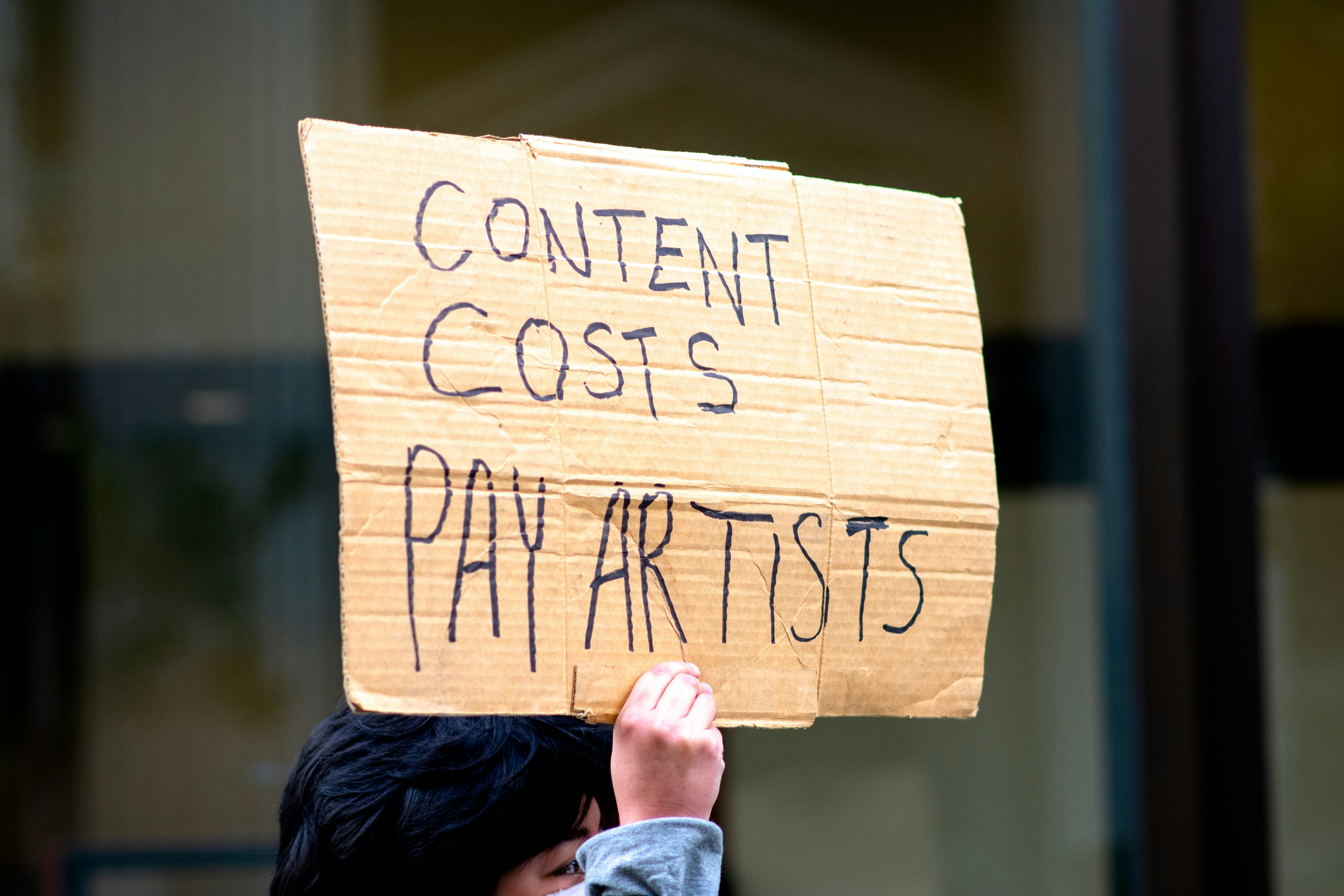
by Patrick Perkins (https://unsplash.com/@patrickperkins)
The ability to test various ad copies or formats is invaluable. Brands can experiment to discover the most impactful message.
Paid advertising also complements organic strategies by filling gaps. For instance, when SEO efforts take time, paid media can drive instant traffic.
However, relying solely on paid efforts can be expensive. It's essential to use it in conjunction with other strategies for cost-effectiveness.
Optimization: Continuous monitoring ensures optimal performance and higher ROI.
Understanding these benefits aids in crafting a more robust marketing plan. It's crucial to align paid strategies with overall business goals.
What Is Organic Marketing? Channels, Tactics, and Benefits
Organic marketing focuses on attracting customers without direct payment. It relies on creating value and nurturing relationships over time.
The primary channels for organic marketing include search engines, social media, and community forums. These platforms naturally draw in audiences interested in your content.
A significant part of organic marketing is Search Engine Optimization (SEO). It involves optimizing web content to appear higher in search results. SEO drives consistent, free traffic by improving visibility.
Another vital tactic is content marketing. High-quality content that educates or entertains builds trust and encourages audience loyalty. Blogs, articles, and videos play crucial roles in this strategy.
Social media engagement forms a substantial part of organic marketing. Active participation increases brand awareness and invites meaningful interactions.
Community involvement also enhances organic efforts. Engaging in forums or groups positions a brand as an industry thought leader.

by Joachim Schnürle (https://unsplash.com/@joa70)
Organic marketing benefits include long-term credibility and trust. Consistent visibility reinforces brand recognition and customer loyalty.
It's a cost-effective way to grow your audience and lead base sustainably. Unlike paid media, organic strategies don't require continuous investment.
However, results can be slower to manifest than with paid tactics. Patience and consistency are essential to reap organic marketing rewards.
By combining various strategies, brands can achieve a well-rounded presence. The key lies in delivering real value and engaging authentically with audiences.

by razi pouri (https://unsplash.com/@razipourjafari)
To succeed, it's crucial to balance organic efforts with paid strategies. This ensures immediate visibility while building enduring relationships.
Organic Growth Strategies: SEO, Content, Social, and Community
Organic growth strategies focus on sustainable development. They emphasize attracting the right customers naturally.
SEO is the backbone of organic growth. It involves keyword research, on-page optimization, and creating engaging content. These tactics improve visibility in search engine results.
Content marketing revolves around creating valuable and relevant content. It attracts and retains a clearly defined audience. Effective content positions your brand as an authority in your field.
Social media plays a significant role. Regular posting and interaction boost brand visibility. Using platforms like Facebook, Twitter, and LinkedIn fosters a direct connection with audiences.
Community engagement further enhances growth. Participating in industry forums or groups increases credibility. This approach encourages others to share your expertise and content.
Influencer partnerships: Collaborate with industry influencers to reach broader audiences.
User-generated content: Encouraging customers to create and share content boosts authenticity.

by Walls.io (https://unsplash.com/@walls_io)
These strategies require continuous effort and creativity. Adapting to industry trends ensures content remains relevant.
Organic growth is slow but steady, offering lasting benefits. Over time, it builds a loyal and engaged customer base.

by Naoki Suzuki (https://unsplash.com/@naopp)
Organic Marketing Tips for Sustainable Success
To thrive organically, focus on building a robust strategy. Start by understanding your audience and their needs.
Prioritize Quality Content: High-value content attracts and retains your audience. Ensure it's both relevant and engaging.
Optimize for SEO: Regularly update content with relevant keywords. Improve site architecture and meta tags.
Engage on Social Media: Consistently interact with your audience. Respond to comments and participate in discussions.
Diversify Content: Use blogs, videos, and podcasts to reach different audience segments.
Leverage User-Generated Content: Encourage audiences to share their stories. This boosts authenticity and trust.

by Sharad Bhat (https://unsplash.com/@sharadmbhat)
Consistency: Regular posting maintains brand visibility and audience engagement.
Incorporating these tips into your strategy ensures ongoing success. The goal is to build lasting relationships and trust with your audience.
Testing and adapting strategies is crucial. Keep learning from analytics and feedback. This helps refine your approach for sustainable growth.
Avoid shortcuts. Genuine efforts lead to genuine results. With time and dedication, organic marketing can significantly enhance your brand's presence.

by KOBU Agency (https://unsplash.com/@kobuagency)
Earned Media: Definition, Types, and Examples
Earned media refers to the exposure a brand receives through non-paid promotional efforts. It's the recognition generated when others talk about your brand.
This type of media is considered highly credible. Unlike paid ads, it arises from organic interactions and customer feedback.
The essence of earned media lies in its authenticity. Public endorsements build trust more effectively than self-promotion.
Key types of earned media include social media mentions, customer reviews, and news coverage. Each plays a vital role in shaping brand perception.
Social media users contribute significantly to earned media. Their posts, shares, and likes amplify brand reach.
Press mentions are another significant component. When media outlets cover your brand, it indicates industry relevance and newsworthiness.
Influencer endorsements also fall under earned media. They extend your reach through trusted voices.
Word-of-mouth referrals: Encouraged by satisfied customers, this remains powerful.
Guest appearances: Participating in industry events can earn valuable recognition.

by Moritz Kindler (https://unsplash.com/@moritz_photography)
While you cannot directly control earned media, efforts like customer satisfaction and public relations enhance it.
Building relationships and fostering engagement are crucial for gaining more earned media. Offering valuable content encourages others to share it.
This type of media significantly influences consumer decisions. It complements both paid and owned strategies effectively.
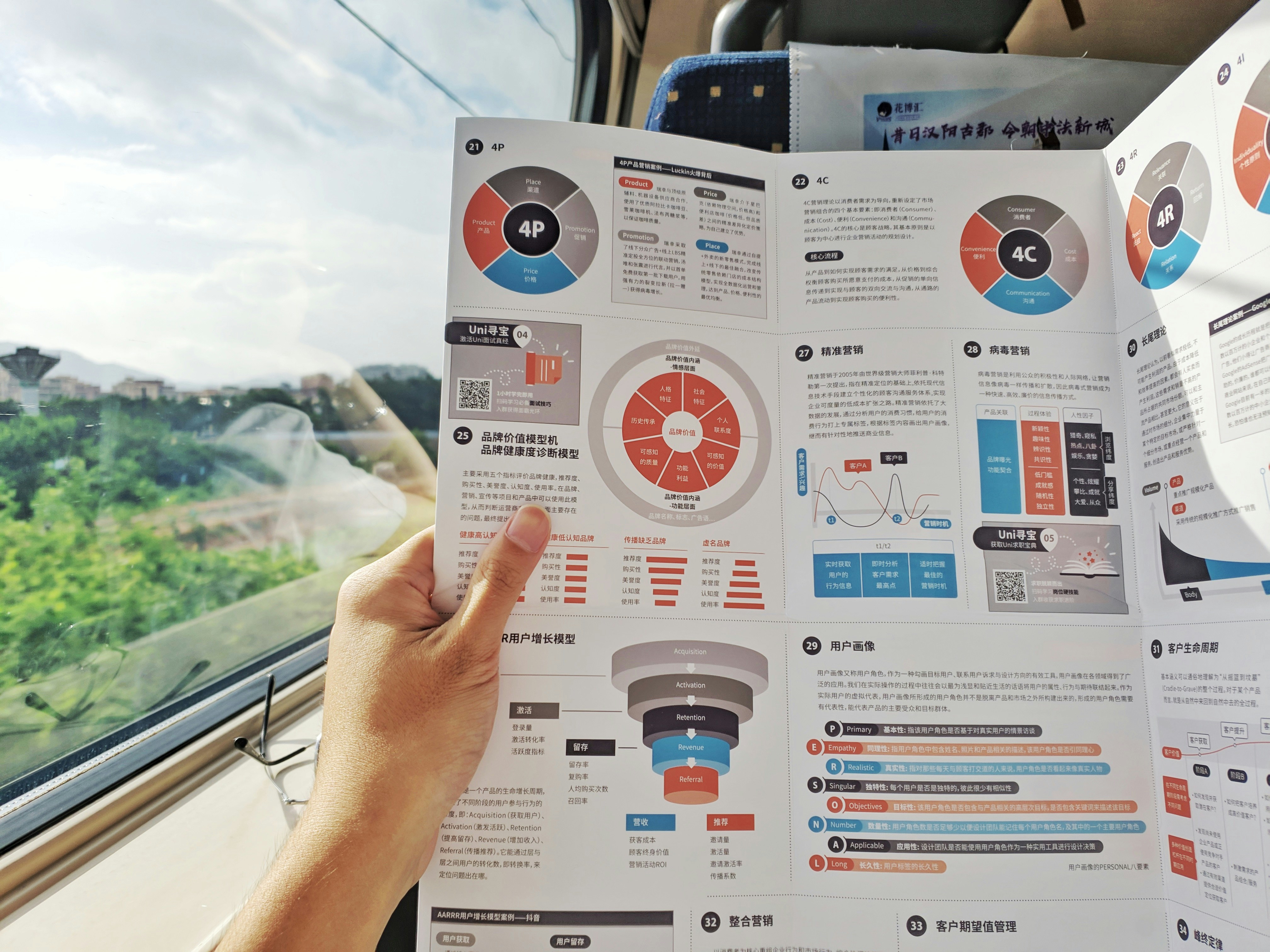
by Jason Yuen (https://unsplash.com/@fanfandyuen)
What Does Earned Media Mean? How It’s Generated
Earned media means gaining publicity through non-paid efforts. It’s generated when others choose to promote your brand on their own.
The key to earned media is delivering value that people want to share. Quality content and exceptional service naturally encourage discussions.
Social media platforms are particularly effective for generating earned media. Engaging content that resonates with your audience is frequently shared.
Public relations also contribute significantly. A strong PR strategy ensures your brand gains favorable attention.
Initiate media outreach: Building relationships with journalists can lead to positive coverage.
Consistent customer engagement is crucial. Responding to feedback and maintaining dialogue positions your brand favorably.

by A. C. (https://unsplash.com/@3tnik)
Brand advocacy plays a significant role too. Encouraged by positive experiences, customers eagerly endorse brands.
Investing in public interactions fosters earned media. Each interaction is an opportunity for gaining support and promoting goodwill.
Earned Media Examples: Social Shares, Reviews, Press, and More
Earned media examples illustrate how brands benefit from organic exposure. Social shares are perhaps the most prevalent form of earned media.
These occur when users share or comment on your content. They extend its reach to a broader audience.
Customer reviews also hold great value. Positive feedback builds credibility and trust among potential customers.
Press coverage amplifies brand visibility. A mention in industry publications boosts recognition and authority.
Influencer collaborations: When influencers mention your brand, it enhances visibility and credibility.
Viral content serves as an excellent example. When engaging content spreads rapidly, it significantly boosts awareness.

by Gaspar Uhas (https://unsplash.com/@gasparuhas)
User-generated content (UGC) is another effective form. Customers sharing experiences provide genuine endorsements.
Participating in high-profile events can lead to media attention. This exposure often falls under earned media.
Maintaining high-quality offerings encourages positive mentions. Consistency ensures your brand stays prominent in discussions.

by Kevin Wang (https://unsplash.com/@kevin_w_)
Focusing on authenticity is vital. Genuine interactions prompt more natural and effective earned media outcomes.
Owned Media: Definition, Channels, and Role in Marketing
Owned media consists of channels a brand controls. These channels serve as the foundation for direct communication with audiences.
Owned media empowers brands to shape their message. It's a cost-effective way to maintain a consistent presence.
Websites are a primary example of owned media. They act as digital storefronts, offering information and interaction.
Blogs also play a crucial role. They provide insights, attract readership, and enhance SEO efforts.
Social media profiles fall under this category too. They allow brands to engage directly and share updates.
Email newsletters are another powerful owned channel. They deliver personalized content straight to subscribers.
Brand-controlled platforms: Websites, blogs, and social profiles
Direct communication tools: Email newsletters and in-app messages
Owned media supports both paid and earned strategies. It's central to an integrated marketing approach.
Effective owned media strategies involve consistent branding. This fosters trust and reinforces brand identity.

by Walls.io (https://unsplash.com/@walls_io)
By managing these channels, brands retain control over content. They determine the timing and context of their messages.
Owned media is essential for building long-term relationships. It reflects the brand’s values and promise to consumers.
Types of Owned Media: Websites, Blogs, Email, and More
Various types of owned media offer unique advantages. Websites are often the most comprehensive owned platform.
They provide essential information and facilitate e-commerce. Well-designed websites enhance user experience and retention.
Blogs are valuable for driving organic traffic. They showcase thought leadership and invite user interaction.
Key owned media types: Websites, blogs, and email newsletters
Additional channels: Social media profiles and brand apps
Email newsletters keep the audience engaged. They offer a direct line for updates and promotions.
Social media profiles offer daily interaction. These platforms help maintain brand visibility and customer connection.
Brand apps, another owned asset, enhance user experience. They support loyalty programs and personalized content delivery.

by BoliviaInteligente (https://unsplash.com/@boliviainteligente)
These owned channels allow brands to create detailed, personalized experiences. Each plays a crucial part in the broader marketing strategy.
Paid vs. Organic: Key Differences and Marketing Strategy Comparison
Differentiating between paid and organic marketing is essential. Paid media involves immediate expenditure for visibility, while organic focuses on growth over time.
Paid media's prime advantage is quick reach. It offers precise targeting and immediate results.
Organic marketing, however, builds credibility. It fosters trust through content and engagement over extended periods.
Both strategies have distinct roles. Paid media excels in short-term gains like promotions or new launches.
Organic approaches work best for sustainable growth. They cultivate relationships and foster brand loyalty.
Paid media purposes: Immediate traffic and sales
Organic media goals: Long-term brand building and trust
The choice between paid and organic depends on objectives. Budget, timeline, and audience expectations also play significant roles.
Key considerations: Immediate needs vs. brand longevity
Selecting tactics: Align with available resources and desired outcomes
Balancing both approaches can maximize effectiveness. It's crucial to align each with specific campaign goals.
Understanding these differences aids strategic planning. It ensures resources are allocated optimally.

by Morgan Housel (https://unsplash.com/@morganhousel)
A successful strategy involves integrating both. This combination enhances reach and strengthens overall impact.
Analyzing results helps adjust strategies over time. Data-driven insights guide future marketing decisions.

by FORTYTWO (https://unsplash.com/@byfortytwo)
Paid vs. Organic: Pros and Cons
Paid marketing provides fast, measurable results. Advertisers gain visibility but at a cost.
Organic tactics require patience. They gradually build relationships and trust without direct fees.
Paid media allows precise audience targeting. It offers flexibility in reaching specific groups instantly.
Pros of Paid: Speed, control, targeted reach
Cons of Paid: Higher costs, ongoing expenses
Organic marketing enhances credibility over time. Audiences often view organic content as more authentic.
However, results from organic methods take longer. It's a long-term investment in branding.
Pros of Organic: Credibility, low cost, sustainable growth
Cons of Organic: Slow results, requires consistent effort
Each approach has unique benefits and limitations. Companies must weigh these factors against their goals.
Combining both can offer the best of both worlds. Evaluate each campaign's needs before deciding on tactics.

by Katie Harp (https://unsplash.com/@kharp)
When to Use Paid, Organic, or Both
Choosing the right strategy depends on specific needs. Paid media suits time-sensitive campaigns.
Organic marketing aligns with brand-building goals. Utilize it when time is not a constraint.
For a new product launch, consider paid strategies. They provide rapid visibility and impact.
Use Paid When: Launching, promoting sales, or seeking fast results
Use Organic When: Building reputation and fostering community
For ongoing engagement, organic channels excel. They nurture relationships and trust.
Combining both can enhance overall reach. This strategy covers immediate needs while supporting longer growth.
Use Both When: Balancing short-term gain with long-term strategy
Blending both approaches makes sense for holistic marketing. Adjust the mix based on campaign objectives.

by 青 晨 (https://unsplash.com/@jiangxulei1990)
Evaluate campaign success using metrics and adjust. Continuously refine strategies for optimal performance.
Earned Media vs. Owned Media vs. Paid Media: A Comparative Analysis
Understanding the differences between earned, owned, and paid media is crucial. Each plays a distinct role in a marketing strategy.
Paid media involves purchasing advertising space. This method is direct and offers measurable results.
Owned media is entirely brand-controlled. It includes company websites, blogs, and newsletters.
Earned media represents organic exposure. It's publicity gained without direct payment, like press mentions.
Each media type has unique strengths. They complement one another in a robust marketing strategy.
Paid Media: Ensures immediate visibility, often used for specific campaigns.
Owned Media: Provides controlled messaging, bolstering brand identity.
Earned Media: Offers credibility through third-party validation.
The interplay among these media types boosts brand effectiveness. Integrating them yields broader reach and influence.
For instance, paid media can amplify owned content. This generates interest, leading to earned media opportunities.
Balance is key in using these media. Align them with goals for maximal impact and synergy.
by MK +2 (https://unsplash.com/@mkmasdos)
Recognize the value of each media. Optimize their usage based on campaign objectives.
Evaluate media performance using KPIs and analytics. This helps refine strategies for continuous improvement.
Integrate insights from all media types. This approach guides better future decisions and resource allocation.
Integrating Paid, Owned, and Earned Media for Maximum Impact
To achieve maximum marketing impact, integrating paid, owned, and earned media is vital. This blend enhances brand awareness and engagement.
Paid media offers quick visibility. It drives traffic that boosts the reach of owned content.
Owned media lays a foundation for consistent messaging. It nurtures customer loyalty through direct communication channels.
Earned media amplifies credibility. It provides third-party validation that enhances brand reputation.
Integrating these elements requires strategic alignment. Focus on cohesive messaging across all channels.
Leverage Paid Media: Use targeted ads to reach specific audiences and support brand initiatives.
Enhance Owned Media: Regularly update websites and blogs to maintain engagement and relevance.
Encourage Earned Media: Foster relationships with influencers to generate positive reviews and shares.
by Logan Voss (https://unsplash.com/@loganvoss)
Consider the unique role each media plays. Tailor strategies to harness their collective potential.
Evaluate cross-channel performance regularly. Use insights to adjust tactics and optimize outcomes.
Integration requires flexibility and adaptation. Stay informed on new trends and adjust approaches accordingly.
The synergy of paid, owned, and earned media delivers robust marketing results. This holistic approach maximizes reach and reinforces brand value.
Building an integrated strategy takes effort but pays dividends in increased brand visibility and influence. Strive for balance to achieve lasting success.
Digital Marketing Tactics: Choosing the Right Mix for Your Brand
Choosing the right digital marketing tactics hinges on understanding your brand and audience. Tailor strategies to meet specific goals.
Consider your target demographic's preferences. Determine whether they respond to ads, organic content, or both.
Balance between paid, owned, and earned media is crucial. Each element brings unique strengths to your strategy.
Paid Media: Great for immediate engagement and market entry.
Owned Media: Critical for consistent messaging and brand control.
Earned Media: Offers credibility through third-party endorsements.

by Jon Tyson (https://unsplash.com/@jontyson)
Define your main objectives, such as brand awareness or lead generation. This focus helps allocate resources effectively.
Monitor the performance of each tactic. Use analytics to identify what's working and what isn't.
Stay agile with your marketing mix. Consumer behavior and technology trends shift rapidly, requiring ongoing adjustments.
A strategic blend of tactics enhances overall effectiveness. By choosing wisely, you ensure that your brand resonates with its audience.
Continuously evaluate and refine your tactics. Through this iterative process, you optimize your digital marketing efforts for sustained success.
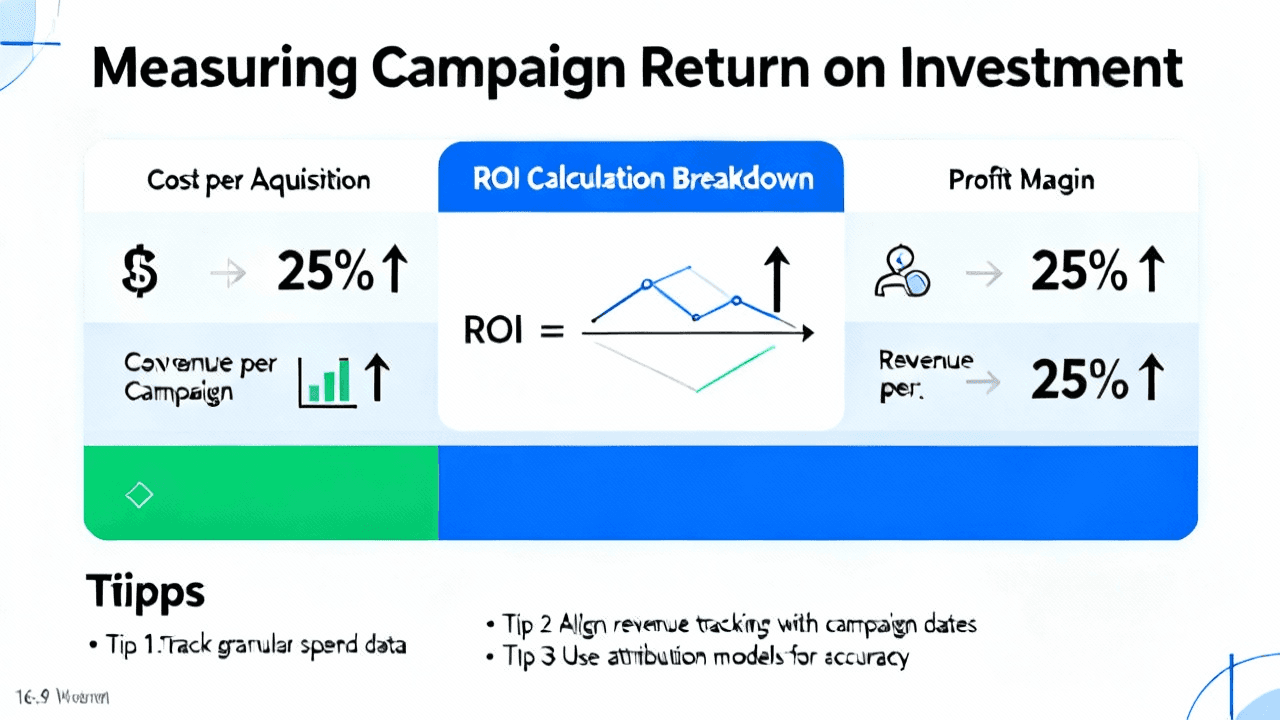
Measuring Success: KPIs and Analytics for Paid, Organic, and Earned Media
Measuring success in marketing requires the right key performance indicators (KPIs). Each type of media—paid, organic, and earned—needs distinct metrics.
For paid media, focus on metrics like cost-per-click (CPC) and return on ad spend (ROAS). These help evaluate investment efficiency.
Organic marketing benefits from tracking website traffic and engagement rates. Analyze how well your content draws and maintains attention.

by KOBU Agency (https://unsplash.com/@kobuagency)
Earned media metrics often include social media mentions and share of voice. These show how your brand is perceived and talked about.
Set clear goals for each campaign. This ensures KPIs align with your overall business objectives.
Paid Media: CPC, ROAS, conversion rates
Organic Media: traffic, bounce rate, social engagement
Earned Media: mentions, sentiment analysis, share of voice
Use analytics tools to gather data. Platforms like Google Analytics offer insights into user behavior and campaign performance.
Regularly review and interpret the data. Adjust strategies based on findings to improve efficacy.
By measuring the right KPIs, you can refine your approach. This process boosts ROI and enhances brand impact.
Common Mistakes and How to Avoid Them in Paid and Organic Marketing
Mistakes in marketing can hinder success. Both paid and organic efforts have unique pitfalls that need addressing.
In paid marketing, targeting too broad an audience often wastes resources. Focusing campaigns on specific demographics increases efficacy.
For organic strategies, producing inconsistent content is a major error. A steady flow of quality content is crucial for maintaining audience engagement.

by Arno Senoner (https://unsplash.com/@arnosenoner)
Ignoring analytics can derail marketing efforts. Use data to inform decisions and optimize strategies.
Paid Mistakes: overspending, broad targeting, not testing ads
Organic Mistakes: inconsistent content, neglecting SEO, lack of engagement
Review and refine strategies regularly. This practice helps catch and correct errors early.
Learning from common mistakes leads to better outcomes. With careful planning, marketers can enhance both paid and organic initiatives.
Future Trends: The Evolving Landscape of Paid, Owned, and Earned Media
The media landscape is constantly changing. Keeping up with trends is vital for marketers.
Paid media is becoming more personalized. AI and machine learning enhance targeting, making ads more relevant.
For owned media, user experiences are evolving. Interactive content and immersive websites are gaining popularity.

by BoliviaInteligente (https://unsplash.com/@boliviainteligente)
The impact of earned media is growing. Influencers and user-generated content are powerful tools for brand awareness.
Paid Media Trends: AI integration, personalization, dynamic ads
Owned Media Trends: interactivity, virtual reality, mobile optimization
Earned Media Trends: influencer partnerships, authentic content, community engagement
Staying informed about these trends helps brands remain competitive. Adapting quickly to new technologies and consumer preferences is key.
Conclusion: Building a Balanced and Effective Marketing Strategy
A balanced marketing strategy is crucial for success. It combines paid, owned, and earned media.
Paid media provides immediate results. It drives targeted traffic and boosts brand visibility quickly.
Owned media supports consistent branding. It's cost-effective and offers direct engagement with your audience.
Earned media fosters trust and credibility. It amplifies brand reach through organic channels like social media and reviews.
Integrating these strategies enhances overall effectiveness. Continuously evaluate and adjust to meet evolving market needs.