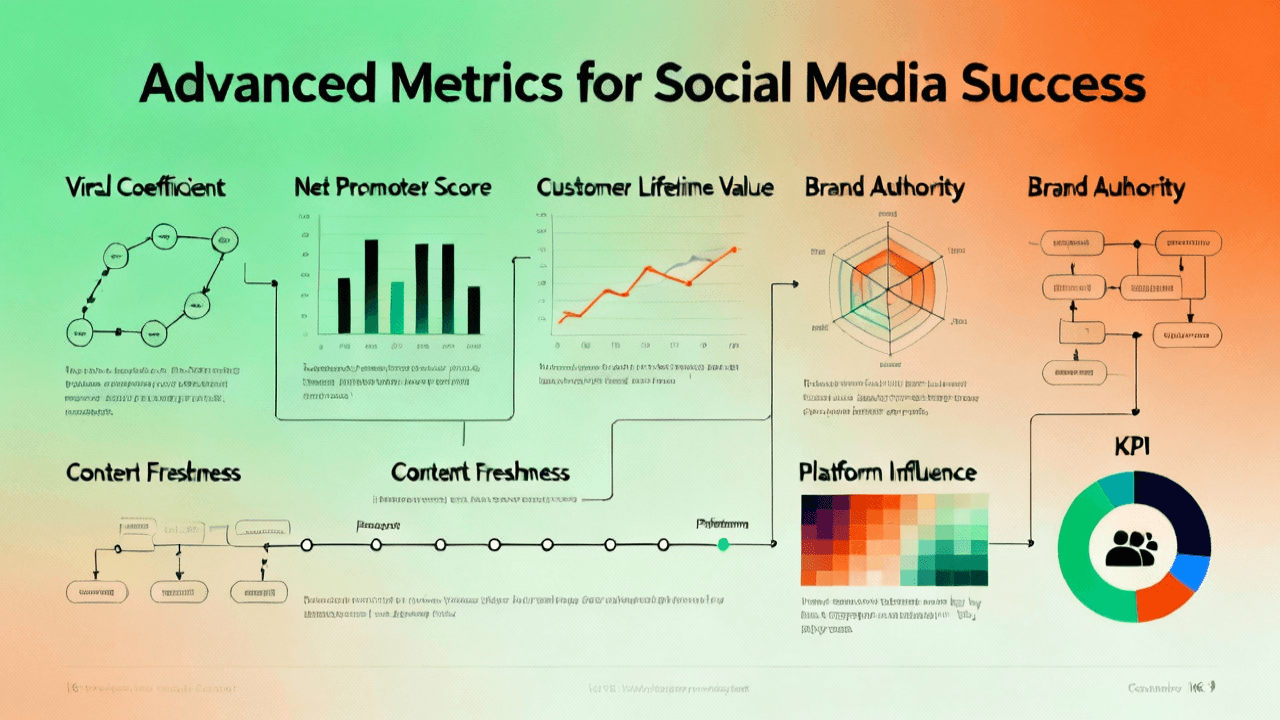
Social Media Marketing Case Studies: How Our Strategies Transformed Clients' Businesses with Proven ROI and Growth
Nov 25, 2025
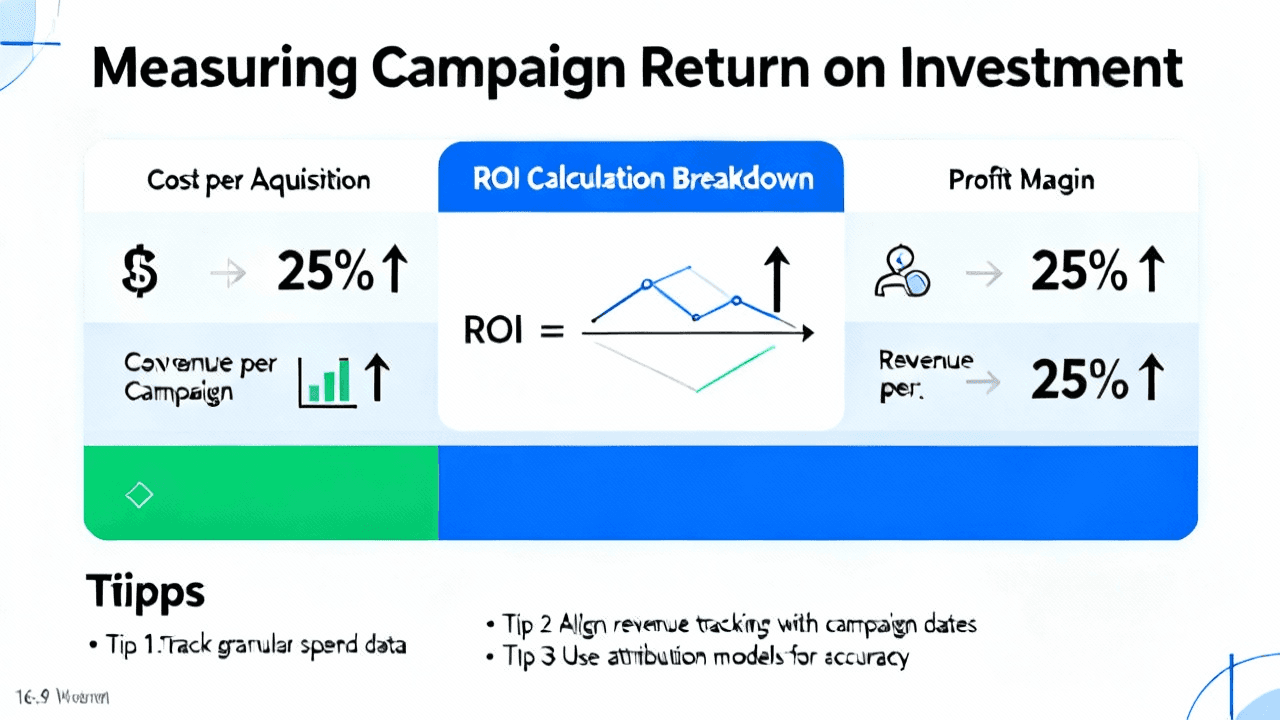

Social media marketing delivers measurable business outcomes when strategy, creative, and measurement align around clear commercial objectives. This article explains how social campaigns create lift in awareness, engagement, and conversion, and it maps specific tactics to quantifiable results so readers can answer: what evidence do you have that social media marketing has worked for previous clients? You will learn which KPIs matter, how engagement translates to lifetime value, and which platform tactics—especially Meta Ads and TikTok Ads—produce scalable returns. The piece walks through outcome snapshots, the mechanics that drive growth, unique strategic approaches like experiential storytelling, and industry-specific results for e-commerce, B2B, and hospitality. Finally, we show the measurement frameworks and tools used to prove impact and offer practical takeaways you can apply immediately to test and scale social media marketing.
What Social Media Marketing Results Have Our Clients Achieved?
Social media marketing results show up as improvements in engagement, lead volume, conversion rate, and return on ad spend when campaigns are aligned to business goals. In practice, successful campaigns convert attention into measurable business outcomes by matching creative formats and placements to funnel stages and audience intent. Below we summarize top-line client outcomes and provide compact examples that demonstrate consistent ROAS, CPA reduction, and lead increases across industries. These ps are presented with baseline vs. campaign comparisons to make ROI explicit and actionable for decision-makers who need evidence before investing in social media channels.
The following top-line metrics highlight typical, realized outcomes across multiple campaigns and client types.
Clients achieved double-digit increases in core KPIs: Engagement rate lift ranged from single-digit to triple-digit percentage gains.Conversion rate improvements reduced cost-per-acquisition materially.Return on ad spend (ROAS) often exceeded campaign benchmarks.
Representative one-line mini-cases: E-commerce client: consistent ROAS improvements after short-form video introduction.B2B client: better lead quality and pipeline velocity following account-targeted social outreach.Hospitality client: booking and occupancy uplifts tied to seasonal social offers.
These summarized results set the stage for defining the KPIs that demonstrate social media ROI and show how brand awareness and lead generation improved through targeted creative and audience strategies.
Which Key Performance Indicators Demonstrate Social Media ROI?

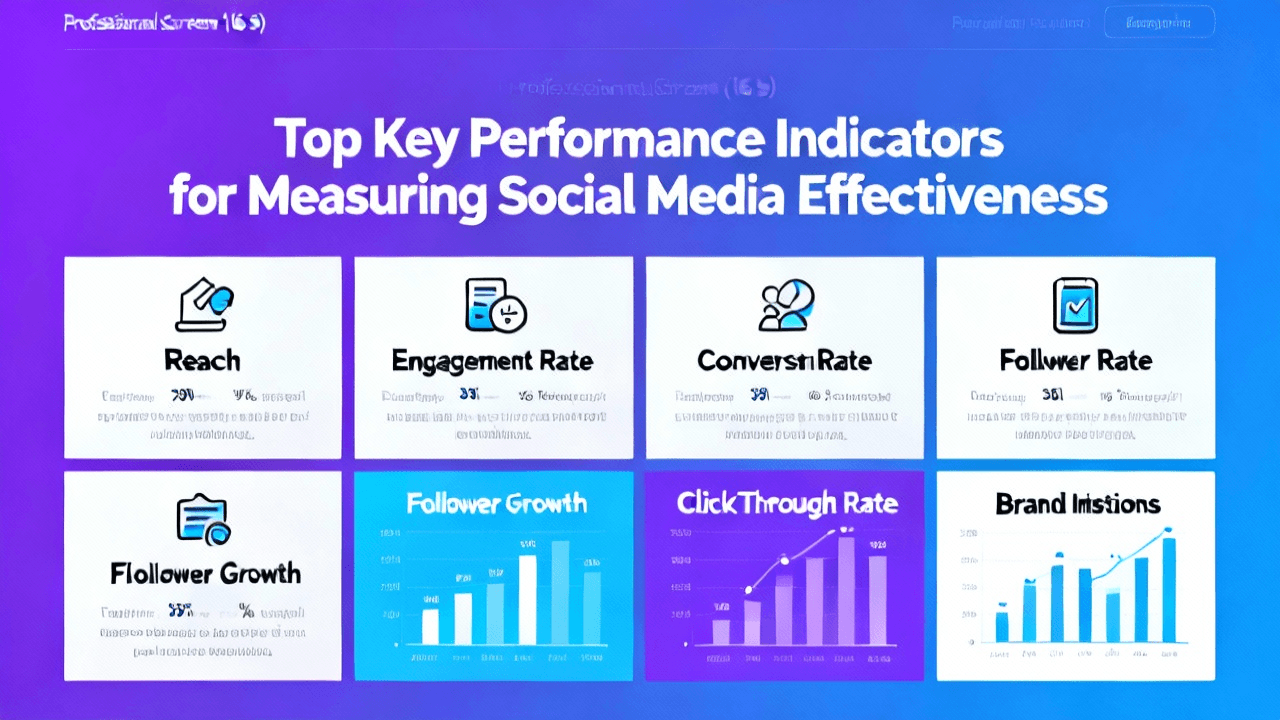
Key performance indicators provide objective evidence that social media activity delivers business value, and the most actionable KPIs tie directly to revenue or pipeline outcomes. Engagement rate, conversion rate, click-through rate (CTR), cost-per-acquisition (CPA), and ROAS are primary meronyms of campaign performance because each represents a measurable component of the funnel. For example, a higher engagement rate indicates creative resonance and feeds algorithmic distribution, which can reduce CPAs downstream; ROAS measures direct revenue return relative to ad spend and is the clearest single-line business metric when immediate sales are the goal.
To make KPI movement scannable, compare before-and-after campaign baselines in dashboards and reporting. Defining attribution windows and using consistent conversion definitions is critical for credible calculations. Interpreting these KPIs together—engagement leading to clicks, clicks leading to conversions, and conversions aggregated into ROAS—creates a coherent story that stakeholders can act on and validates the investment in social media channels.
How Did Brand Awareness and Lead Generation Improve Through Our Campaigns?
Brand awareness and lead generation amplify each other when campaigns use creative hooks to broaden reach and precise targeting to capture intent-driven contacts. Awareness is measured by reach, impressions, and brand lift studies; lead generation is tracked by form fills, MQLs, and downstream conversions. In client campaigns, strategic creative arcs and UGC-driven content drove measurable increases in reach and subsequent lead volume, demonstrating how top-of-funnel investments translate into the middle and bottom of funnel outcomes.
Tactics that produced these improvements included short-form video series for broad reach, layered retargeting to convert engaged audiences, and using UGC to reduce creative fatigue and increase trust. The connection between awareness and leads is strongest when the creative includes a clear, measurable CTA and when audiences are funneled through optimized landing experiences that align messaging and offer to the ad creative.
How Does Social Media Marketing Drive Business Growth?

Social media marketing drives business growth through a sequence of mechanisms: attracting attention, building relevance through creative resonance, converting interest into action, and retaining customers to increase lifetime value. Each mechanism maps to specific measurable outcomes—reach and impressions for attention, engagement for relevance, conversion rate for action, and repeat purchase frequency for retention. When these elements are optimized together, campaigns compound results across acquisition cost, revenue per customer, and long-term profitability.
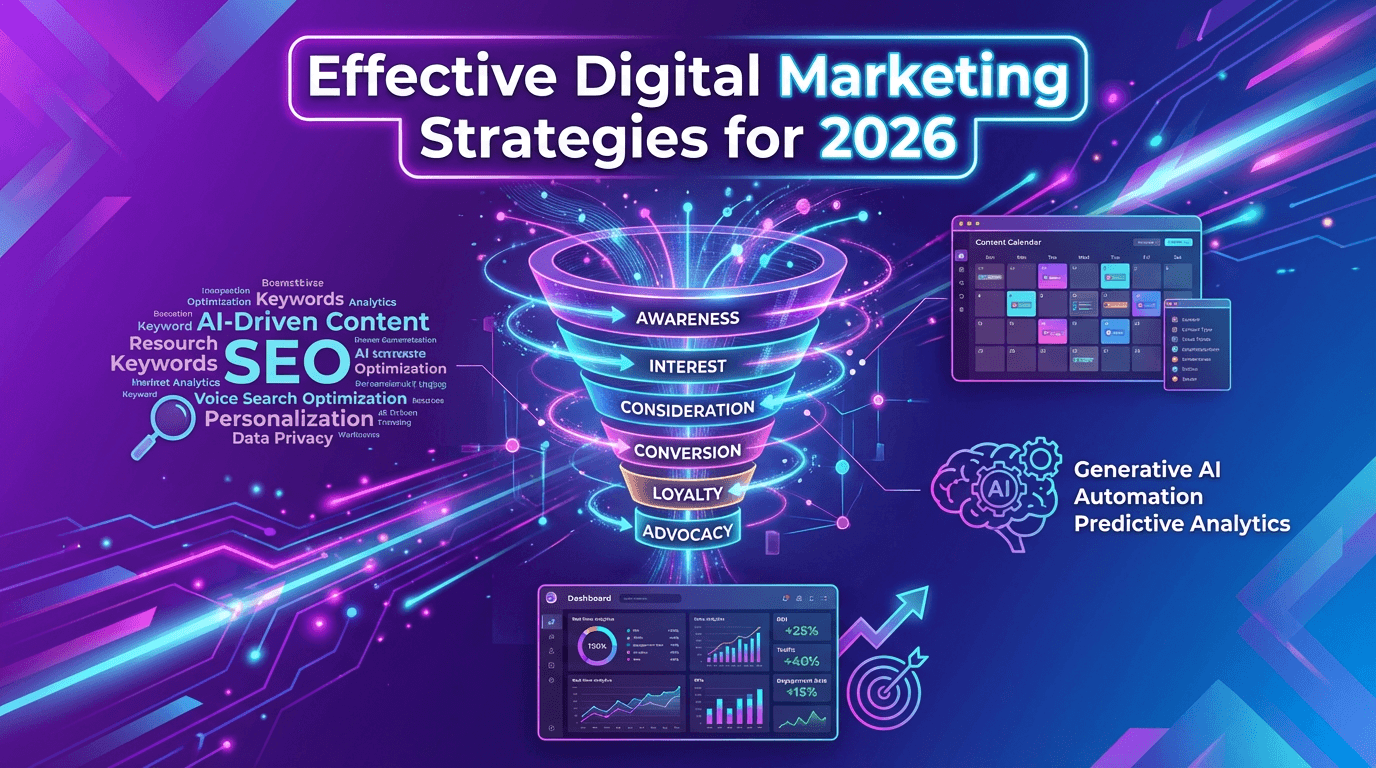
A causal approach to growth begins with audience segmentation and messaging alignment, followed by consistent creative testing and funnel optimization. Budget allocation across TOF (top of funnel), MOF (middle), and BOF (bottom) ensures that awareness investments are supported by conversion pathways. This mechanism-to-metric alignment creates predictable scaling: optimized awareness fuels more efficient retargeting, which drives down CPA and improves ROAS, creating a positive cycle for business growth.
What Role Does Customer Engagement and Loyalty Play in Growth?
Customer engagement and loyalty function as multiplier effects on acquisition investments because engaged customers are more likely to convert, repurchase, and recommend. Engagement metrics—comments, saves, shares, and watch time—signal stronger brand fit and increase organic distribution, lowering paid media costs over time. When social content builds community or encourages UGC, brands see lifts in repeat purchase rates and referral-driven traffic, which strengthens lifetime value and reduces reliance on high-cost acquisition channels.
Implementing community management, timely responses, and incentivized UGC programs increases both engagement and loyalty. As engagement grows, brands can deploy retention-focused campaigns that nurture customers through personalized offers and content. These efforts compound revenue by improving LTV and lowering churn, providing a clear business case for investing in sustained social community and content strategies rather than one-off campaign bursts.
How Do Social Campaigns Generate Qualified Leads and Sales?
Social campaigns convert attention into qualified leads through layered targeting, tailored creative, and conversion-optimized experiences that align with buyer intent. The funnel is executed via TOF prospecting to build demand, MOF remarketing to warm interested users, and BOF conversion ads with strong offers and simplified forms. Creative formats such as product demos, case-oriented short videos, and testimonial-led ads help pre-qualify traffic, improving lead quality and reducing downstream qualification costs.
A practical timeline for campaign phases typically spans planning and creative production, an initial pilot with A/B tests, and scale with measurement-driven optimization. This phased approach enables teams to reduce CPA by iteratively improving offer clarity, CTA placement, and landing page conversion rates. The result is a reliable flow of qualified leads and sales that can be attributed to specific campaign tactics and budget allocations.
What Unique Strategies Did DMD Creative Studio Use to Transform Client Businesses?
DMD Creative Studio operationalizes experiential storytelling and platform-specific media strategies to convert social attention into business outcomes. Experiential storytelling focuses on narrative arcs that invite audience participation and emotional engagement, while platform-specific execution ensures the right creative formats—vertical short-form video on TikTok, carousel and dynamic ads on Meta—match how audiences discover and buy. These strategic choices are paired with continual creative testing and data-driven audience refinement to maximize impact and scale.
DMD Creative Studio’s approach combines creative direction, paid media optimization, and client collaboration to ensure campaigns remain aligned with business objectives. The studio emphasizes user-generated content and influencer collaborations where appropriate and uses short-form episodic content to build momentum. By aligning these tactics with measurable KPIs, campaigns not only increase awareness but also improve conversion efficiency and long-term growth potential.
The primary tactic-to-impact relationships are summarized below in a compact table to show how each strategic choice links to measurable effects.
Introductory paragraph for the tactics table: The table below translates key tactical choices into implementation details and observable impacts, making it easy to assess which strategic moves drove the most measurable change.
Tactic | Implementation Detail | Impact/Metric |
|---|---|---|
Experiential Storytelling | Short-form video series with narrative arc and CTA | +25% average time-on-post; higher engagement |
UGC & Influencer Collabs | Micro-influencers and customer video submissions | +18% conversion lift from social proof |
Platform-Specific Ads | TikTok vertical creatives; Meta dynamic carousels | Lowered CPA and improved ROAS per channel |
Iterative Creative Testing | Multiple ad variants with rapid A/B cycles | Faster optimization and reduced ad fatigue |
This mapping clarifies how creative investments translated into measurable improvements in engagement, conversion, and cost-efficiency across campaigns.
After describing these strategies and outcomes, it’s natural to outline the services that support this work. DMD Creative Studio delivers social media marketing and paid media services—specializing in Meta Ads and TikTok Ads—built around experiential storytelling and client-centric collaboration. The studio positions case studies and performance evidence as a hub for prospective clients seeking results-driven growth and invites businesses to explore client success stories to assess fit and expected outcomes.
Which Industry-Specific Social Media Marketing Success Stories Showcase Our Expertise?
Industry-specific campaigns show how strategic nuances and creative formats must vary by vertical to achieve business goals. E-commerce campaigns prioritize ROAS and dynamic retargeting, B2B uses account-based social and LinkedIn adjacency for pipeline quality, and hospitality focuses on seasonal offers and geo-targeted promotions to lift bookings. Comparing outcomes side-by-side helps potential clients understand realistic expectations and where social media investment produces the largest business impact.
Presenting outcomes in a standardized format makes comparisons simple for stakeholders and highlights which levers moved performance most in each sector. The table below contrasts primary objectives and realized metric improvements across the three industries to provide a clear, scannable summary for decision-makers evaluating social investment.
Introductory paragraph for industry outcomes table: This table standardizes industry objectives and the key metric outcomes to illustrate how strategy differs by vertical and where social media delivers measurable business value.
Industry / Client Type | Primary Objective | Key Metric Outcome |
|---|---|---|
E-commerce | Increase online sales and ROAS | ROAS improvement; lower CPA; +30% conversion rate lift |
B2B | Improve lead quality and pipeline | Higher MQL-to-opportunity rates; improved lead quality score |
Hospitality | Drive bookings and occupancy | Seasonal booking uplift; increased direct reservations |
Following this comparison, industry mini-cases make the results concrete. E-commerce examples often show dynamic creative and product feed optimizations producing immediate sales lift. B2B case work emphasizes lead qualification improvements through tailored audience segmentation and content suited to decision-stage education. Hospitality successes rely on timely, localized creative and offers that convert social interest into bookings during peak periods.
How Did E-commerce Brands Benefit from Our Social Media Campaigns?
E-commerce clients typically benefited from improved ROAS, reduced cost-per-acquisition, and higher conversion rates after deploying a mix of product-focused creative and dynamic retargeting. Short-form product videos and UGC helped increase purchase intent, while feed-based remarketing closed the gap for visitors who needed an extra nudge. Implementing creative variants and testing price/offer combinations improved conversion velocity and allowed scale without sacrificing efficiency.
Specific tactics included dynamic product ads, layered audience segmentation by intent, and creative that emphasized use-case storytelling. These elements combined to lower CAC and increase purchase frequency, demonstrating how social campaigns can directly support revenue acceleration for online retailers and product-driven brands.
What Results Did B2B and Hospitality Clients Experience?
B2B clients experienced pipeline acceleration and higher-quality leads by combining targeted Meta Ads and account-focused social tactics with content tailored to buyer-stage needs. Lead form optimization and content offers improved MQL conversion rates, and tighter alignment with sales teams increased velocity from lead to opportunity. Hospitality clients saw meaningful booking uplifts through geo-targeted promotions, seasonal creative, and retargeted offers that re-engaged previous guests and lookalike audiences.
Across both verticals, measurement focused on outcomes that matter: pipeline value and direct booking revenue. These results confirm that social media, when executed with industry-appropriate creative and audience strategy, can be a dependable contributor to both revenue and customer acquisition goals.
How Do We Measure and Prove the Impact of Social Media Marketing?
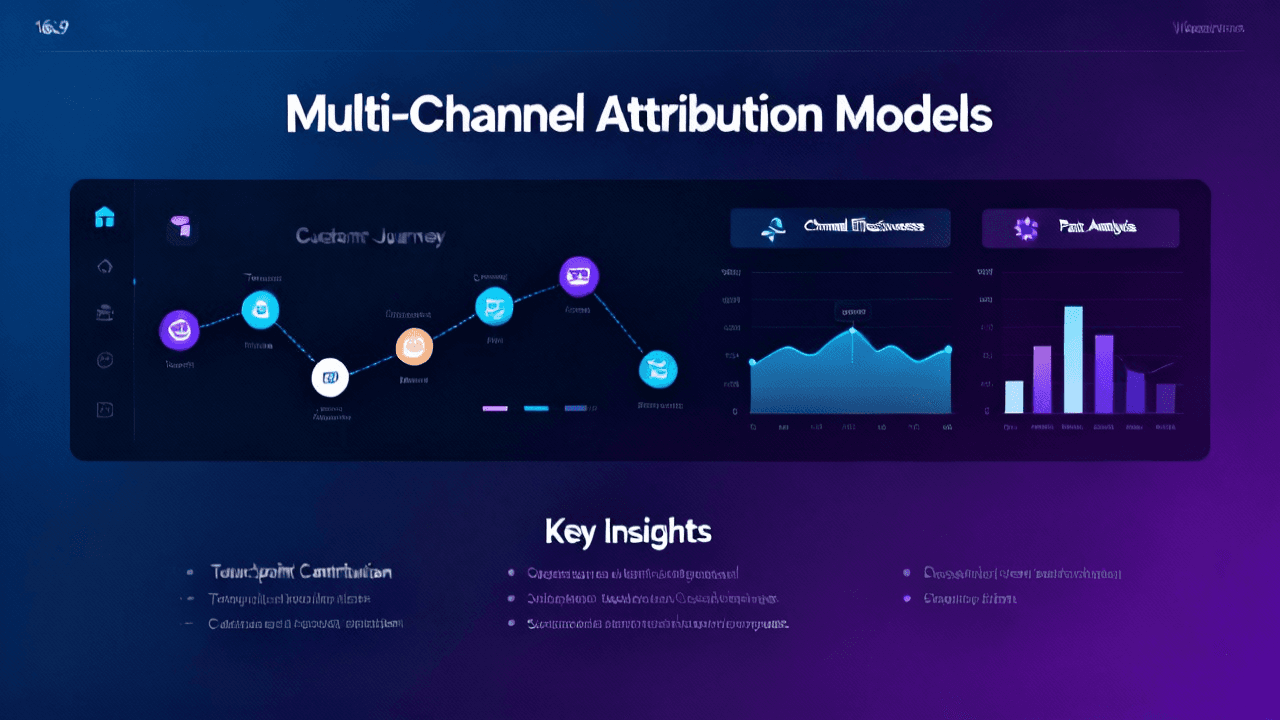
Measuring social media impact requires a framework that links activity to business outcomes using the right tools, controlled testing, and transparent reporting. Core methods include platform analytics, web analytics, A/B tests, lift studies, and multi-touch attribution models that align conversions to channel touchpoints. The measurement framework consistently maps each KPI to business meaning (e.g., engagement → interest; conversions → revenue) and uses dashboards to make performance interpretable for stakeholders.
Evidence types that validate impact include annotated dashboards, before/after KPI tables, lift study summaries, and structured case documentation. Below is an EAV-style table that presents campaign-level KPI changes in a clear, scannable format to help stakeholders verify results quickly.
Introductory paragraph for KPI table: The table below summarizes core KPIs for representative campaigns with before-and-after values to demonstrate the measurable impact of social media activity.
Campaign / Client | KPI | Result |
|---|---|---|
Client A (E-comm) | Engagement rate | +42% vs. baseline |
Client B (B2B) | Qualified leads (MQLs) | +38% month-over-month |
Client C (Hospitality) | Direct bookings | +22% during campaign period |
Client D (Retail) | ROAS | 3.5x average return |
Research has explored the complex relationship between social media advertising expenditure and tangible business outcomes like sales and engagement, indicating a significant positive correlation between user engagement and conversion rates.
Social Media Advertising Effectiveness: Sales and Engagement Analysis
One of the obvious ways of assessing the caption of particular content on an Online platform is to assess user engagement. It helps in understanding the overall effectiveness of particular promotional content. For this purpose, Facebook and Instagram posts were analyzed for a specific period of time and a datasheet was prepared after rigorous observation and coding. The study concluded that to a large extent there is a significant positive relationship between user engagement and conversion rate. Also, higher forms of engagement i.e., comments and queries were seen in posts that confirmed purchase intention.
1. Navigating the multibillion-dollar environment of social media advertising (SMA) is a constant struggle. Despite projections that worldwide expenditure would exceed $600 billion by 2025, adequately evaluating the genuine effect on concrete sales and meaningful involvement remains challenging and contentious. This study tackles this complexity directly by systematically assessing the differential success of SMA across prominent platforms-Meta, TikTok, X, and LinkedIn-in terms of tangible sales and various engagement indicators, while taking crucial moderating variables into account. The research employs a strong multi-method approach, combining large-scale longitudinal analysis of over 500 sponsored ads over 12 months, a thorough consumer survey (n=1,200) monitoring attitudinal alterations and behavioral intentions, and an experimental vignette study to determine causal linkages. Results demonstrate significant platform differences: TikTok succeeds in terms of engagement an
Beyond impressions: A multi-platform analysis of social media advertising effectiveness in driving sales and engagement, SS Dzreke, 2025
What Metrics and Tools Track Campaign Effectiveness?
Effective measurement combines platform-level tools like Meta Ads Manager and TikTok Ads reporting with site analytics such as GA4 and social listening platforms to understand sentiment and share-of-voice. Mapping each tool to the metric it best reports—ad platform for spend/attribution, GA4 for on-site conversions, and listening tools for brand lift—creates a resilient measurement stack. Regular dashboards and automated reports translate raw signals into business-oriented insights for optimization.
A disciplined approach—defining conversion events, using consistent attribution windows, and running controlled tests—ensures that metric movement is interpretable and defensible. This discipline allows teams to quantify ROAS, adjust bidding strategies, and reallocate budget to the highest-performing creative and audience combinations.
Intro list of tools used:
Meta Ads Manager for ad performance and audience insights.
TikTok Ads reporting for short-form creative performance and reach.
GA4 for on-site conversion tracking and multi-channel attribution.
Using this toolset together enables holistic measurement of both on-platform engagement and off-platform business outcomes, supporting iterative campaign improvements and credible ROI reporting.
The effectiveness of Meta Ads in achieving retail marketing objectives is well-documented, with its advanced targeting capabilities enabling businesses to reach specific demographics and interests.
Meta Ads: Driving Retail Marketing Goals with Targeted Social Media Advertising
Progressive tool for achieving the marketing goals of retail enterprises in social media advertising, taking into account the current situation in Ukraine, is Meta Ads. Extended targeting parameters based on demographics, interests, and custom audiences make Meta Ads a powerful tool for digital advertising specialists, allowing them to reach a wide audience through targeted messages. The research was conducted using methods: data analysis, synthesis and logical generalization of results, system-structural and statistical analysis, as well as graphical methods. The main sources of information are scientific works, marketing research results, expert blogs in the field of digital marketing, and official statistical information from Internet resources. The functions of generative artificial intelligence in Meta Ads, such as image expansion, background generation, and ad text variations, are considered, which allows reducing the time for creation
Meta Ads digital advertising in social networks, Д НІКОЛАЄВ, 2024
How Do Client Testimonials Validate Our Social Media Success?
Client testimonials validate results by pairing qualitative feedback with quantitative metrics, creating persuasive evidence for prospective customers. Best-practice testimonial formats combine a concise quote with a clear metric (e.g., percentage lift or ROAS) and include client identifiers like industry or role to bolster credibility. Video testimonials, annotated quotes, and case-study snapshots that include metric callouts make the business impact tangible.
Presenting testimonials alongside dashboards and EAV-style KPI tables helps stakeholders triangulate claims with data. When testimonials are structured with metric context and aligned to the campaign narrative, they become powerful corroboration that complements analytical evidence. Structured data and review schema also improve discoverability and trust in published case studies.
What Key Takeaways Can Businesses Learn from Our Social Media Marketing Case Studies?
The case studies demonstrate repeatable lessons that any business can apply to improve social media effectiveness: align creative to funnel stage, prioritize measurement and testing, and use platform strengths to match audience behavior. The following takeaways synthesize the most consistent drivers of success and serve as an actionable checklist for teams planning pilot campaigns and scale phases.
Align creative and CTA to the funnel stage to improve conversion efficiency.
Test creative and audiences continuously to reduce CPA and extend creative lifespan.
Use UGC and experiential storytelling to increase engagement and trust.
Combine paid and organic strategies to compound reach and reduce long-term costs.
Implement a rigorous measurement framework to attribute outcomes and inform scaling.
Which Best Practices Drive Consistent Social Media Success?
Best practices center on rigorous testing, creative iteration, and cross-platform funnels that direct attention to conversion pathways. Prioritize short-form video for awareness and social proof formats like UGC for persuasion; use dynamic retargeting to capture high-intent users; and maintain a cadence of creative refreshes to prevent ad fatigue. Measurement should be baked into campaign planning so every creative variant and audience test yields learnings for future optimization.
Maintaining alignment between marketing and business KPIs ensures campaigns are judged on impact rather than vanity metrics. This discipline supports predictable scaling and allows teams to reinvest returns into the highest-performing channels and creative approaches.
How Can Other Businesses Apply These Strategies for Growth?
Businesses ready to apply these strategies can use a simple three-step starter plan: audit, pilot, scale. Begin with an audit of current social presence, creative assets, and conversion funnels to identify quick wins. Run a time-boxed pilot using TOF>MOF>BOF testing with clear KPIs and rapid creative cycles. If the pilot meets defined success thresholds, scale budget while maintaining ongoing testing and attribution checks.
Research into B2B sales highlights the critical role of social media engagement in generating qualified leads and fostering pipeline growth.
Lead Generation Strategies: Social Media Engagement for B2B Sales
This paper explores how businesses can develop and execute marketing strategies. This paper examines social media engagement strategy in a business-to-business (B2B) environment resulting in sales through new leads.
Lead-generating social media strategies using the social media performance model: The B2B connection, G Wilcox, 2014
Audit (1–2 weeks): Inventory assets, define KPIs, and map funnel gaps.
Pilot (4–8 weeks): Test creative formats, audiences, and offers with measurable goals.
Scale (ongoing): Reallocate budget to top performers and keep iterative testing.
These steps deliver a practical pathway to replicate the documented successes and provide measurable expectations for performance as campaigns move from experiment to scale. For businesses seeking partner-led execution, DMD Creative Studio offers social media marketing and paid media services—specializing in Meta Ads and TikTok Ads—with a client-centric collaboration model and a hub of case studies that demonstrates industry-defying results and long-term growth at scale. DMD Creative Studio’s approach emphasizes experiential storytelling, measurable outcomes, and a results-driven partnership model that aligns with the practical starter plan above.